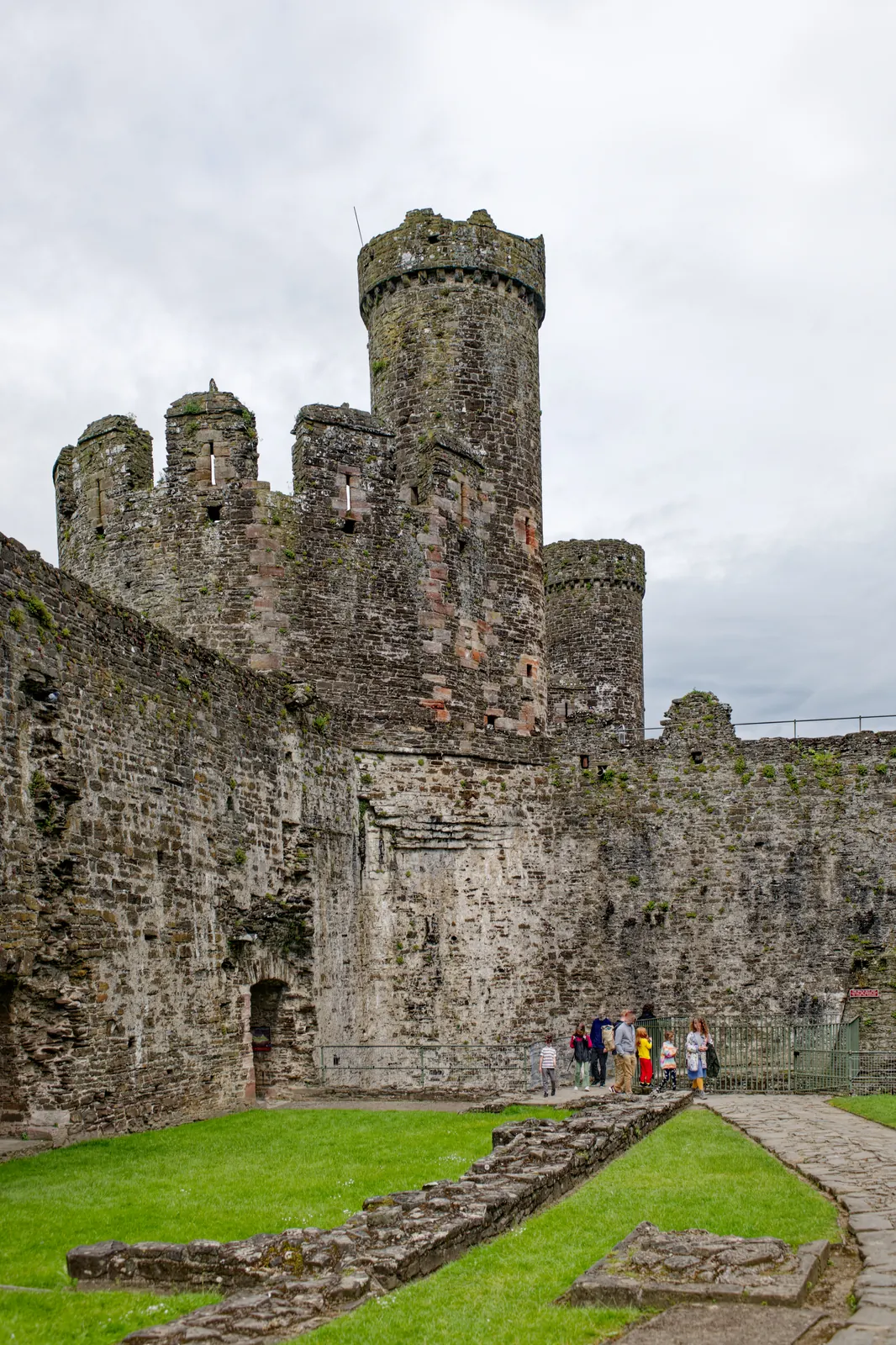
The castle at the water’s edge
Eight towers and a full walkable battlement circuit, standing right at the edge of the water.
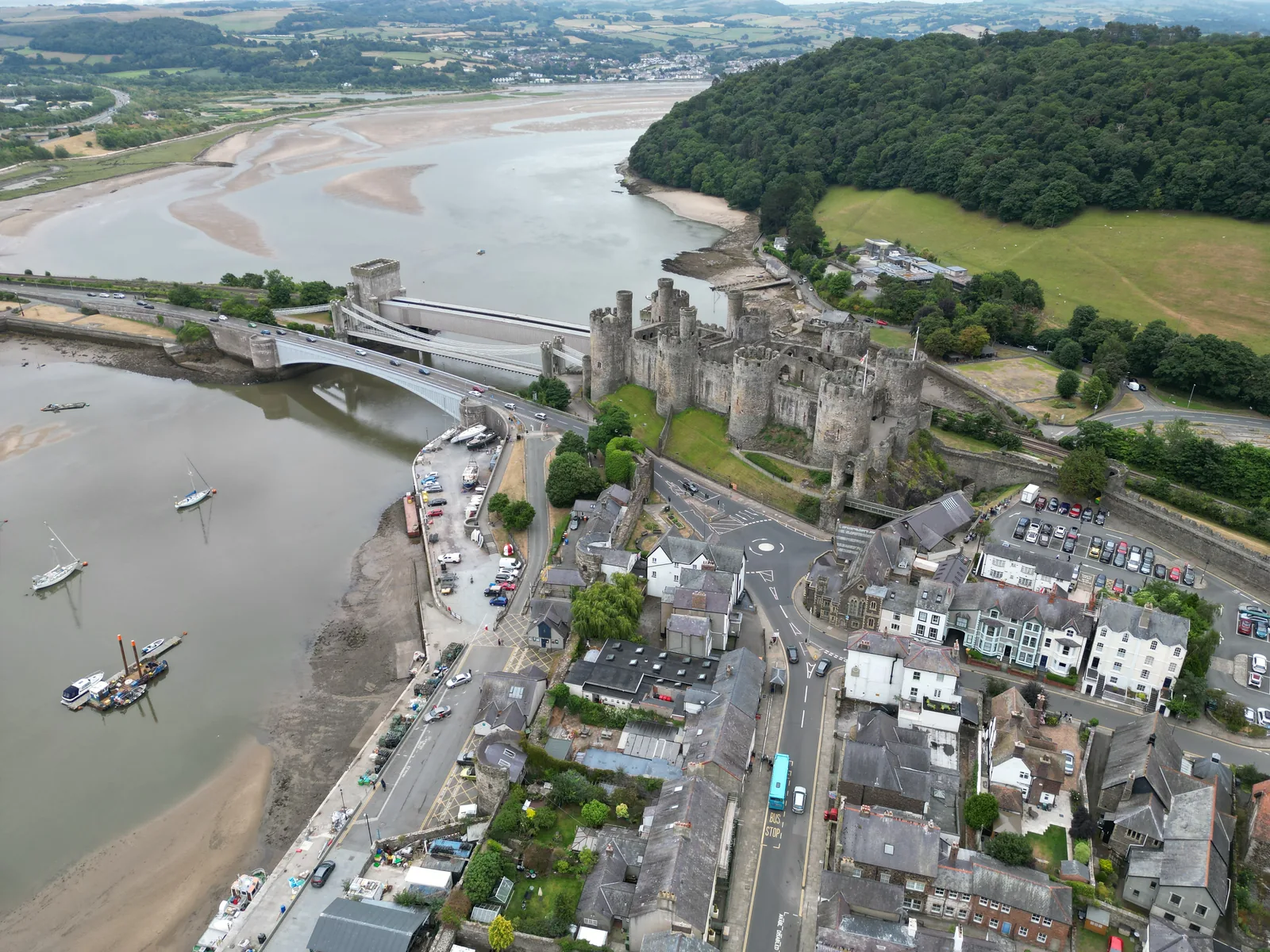
Conwy County Borough · Conwy Estuary
A medieval walled town where castle, harbour and historic bridges meet the Conwy estuary.
01The town
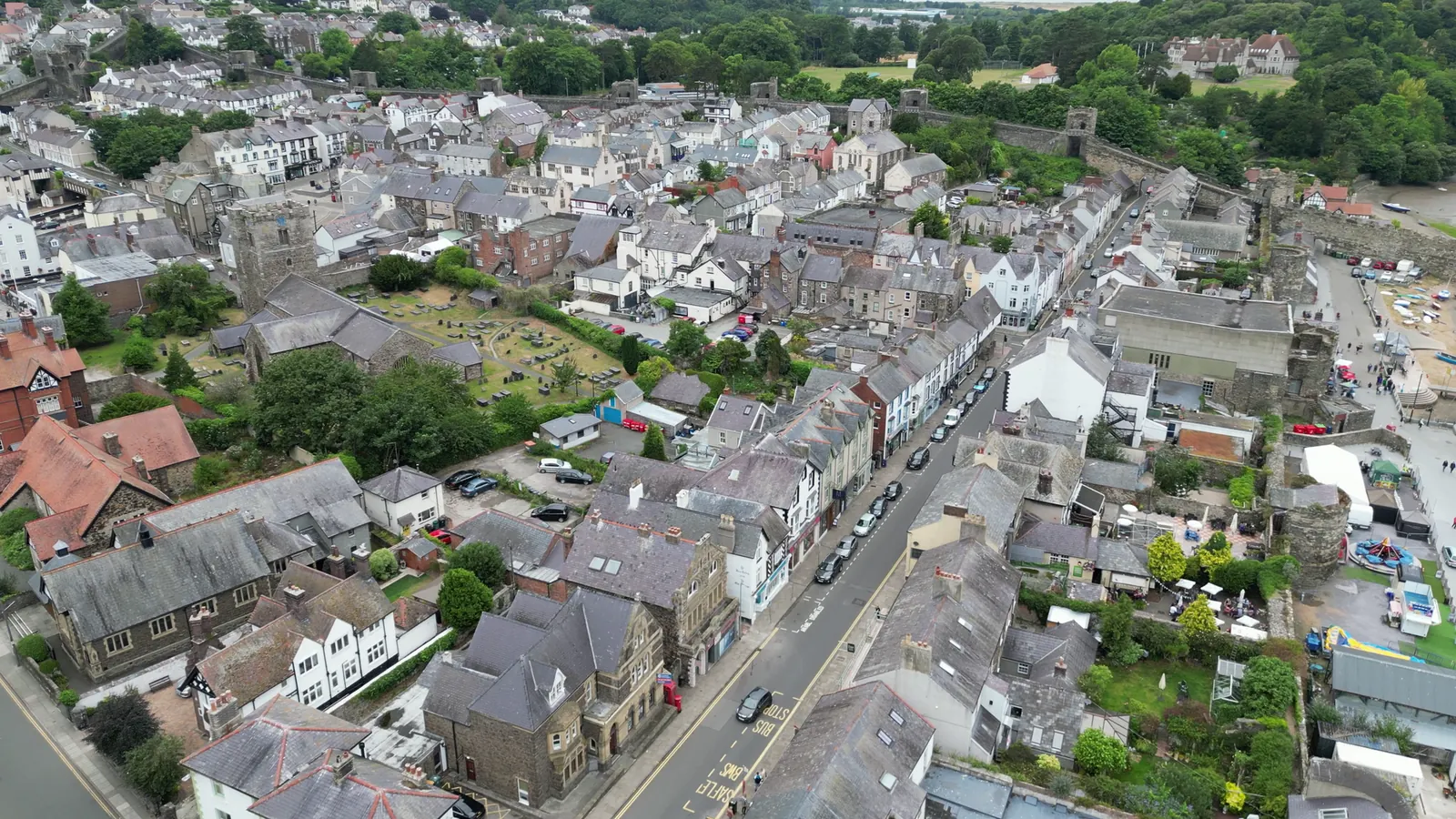
Conwy stands on the west bank of the estuary, and the medieval wall still draws the outline of the whole town. The castle holds the south-east corner by the river, Lancaster Square and the High Street run through the middle, and the quay lies along the water. Three original gateways lead in, and the railway station is inside the walls, so most visits begin already in the centre.
Many medieval towns are experienced in fragments: a castle here, a stretch of wall there. Conwy survives as a complete composition. Within the walls, the castle, streets, church and quay remain connected as parts of the same historic town. You see the whole place, not one isolated piece of it.
Character
Mussels are still hand-raked from the estuary by a small number of local families and landed on the quay. The High Street has shops and a station, while the walls enclose people’s homes as much as they enclose the castle.
Pace
The wall circuit runs for roughly three-quarters of a mile, while the centre takes only five to ten minutes to cross. Once parked near the town, the main sights can all be reached on foot.
Landscape
Deganwy sits directly across the water, and beyond the north-west walls the shoreline turns wooded and quiet as the river opens to the sea.
Best for
Best for a heritage day without the hiking, for arriving by train, and for anyone who would rather walk a whole town than tour a single building.
02Discover
Eight towers and a full walkable battlement circuit, standing right at the edge of the water.
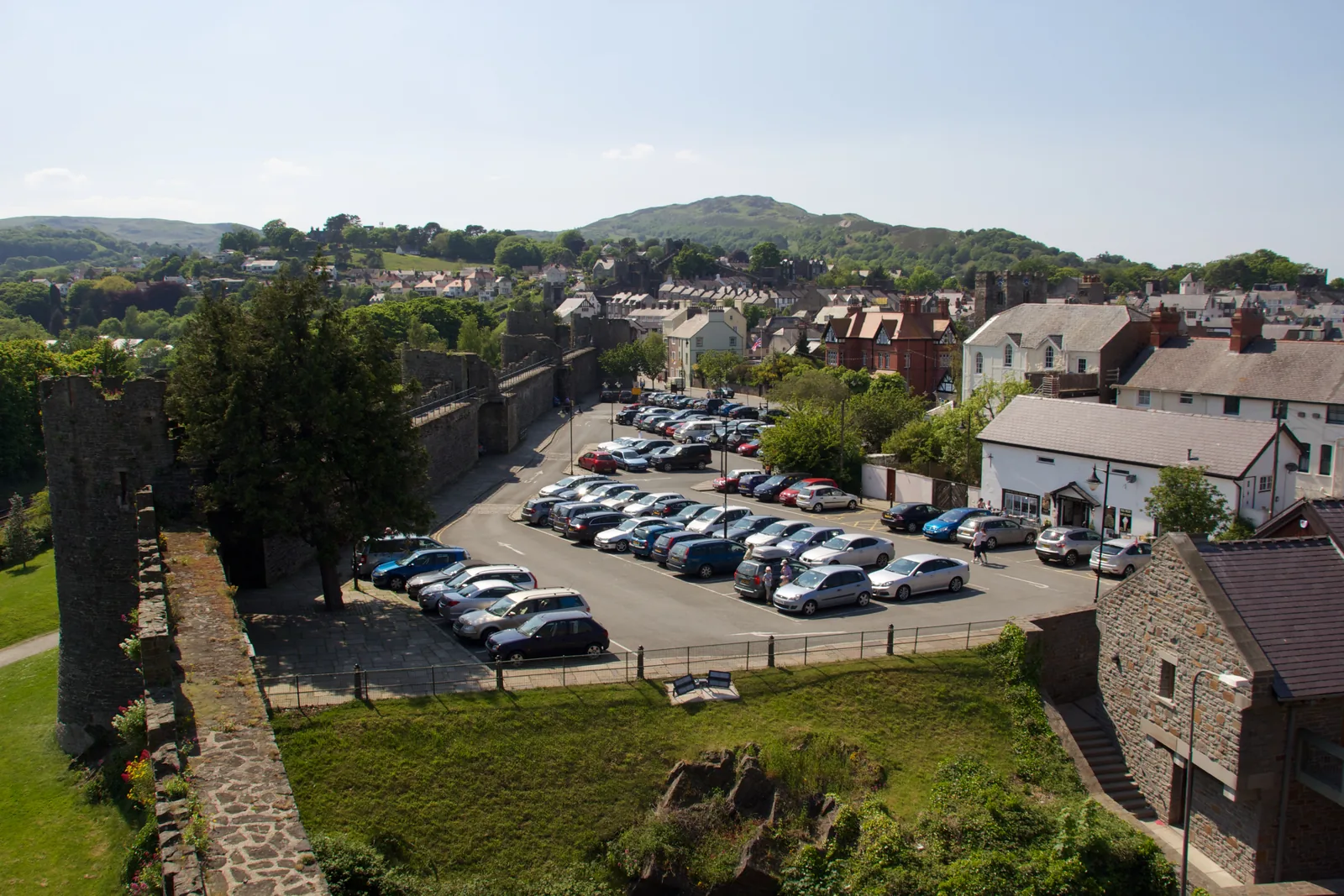
Twenty-one towers and three gateways run right round the town, free to walk and rare to find this complete.
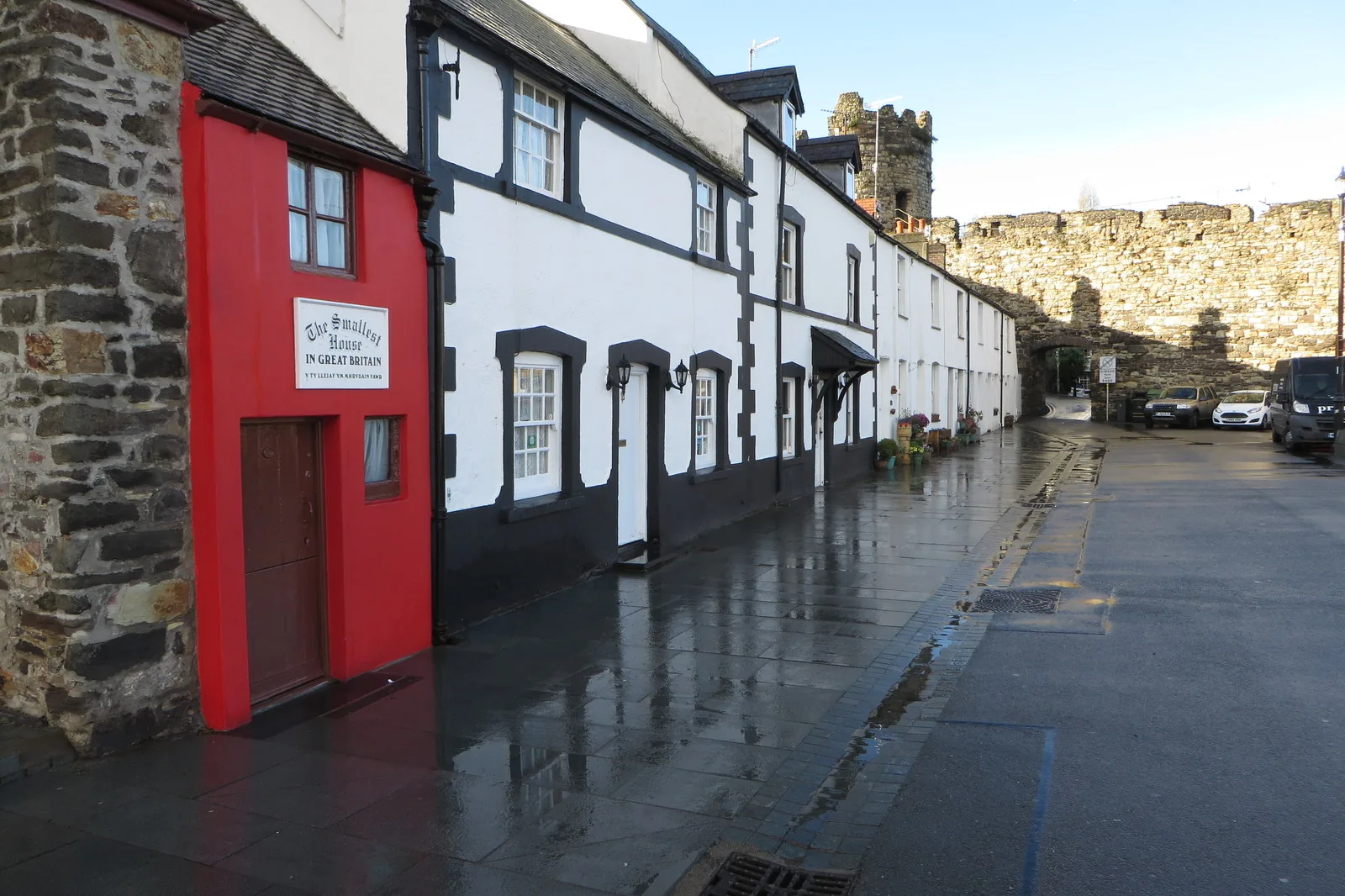
A working mussel harbour, with a house built into the cottage row barely wide enough to stand in.
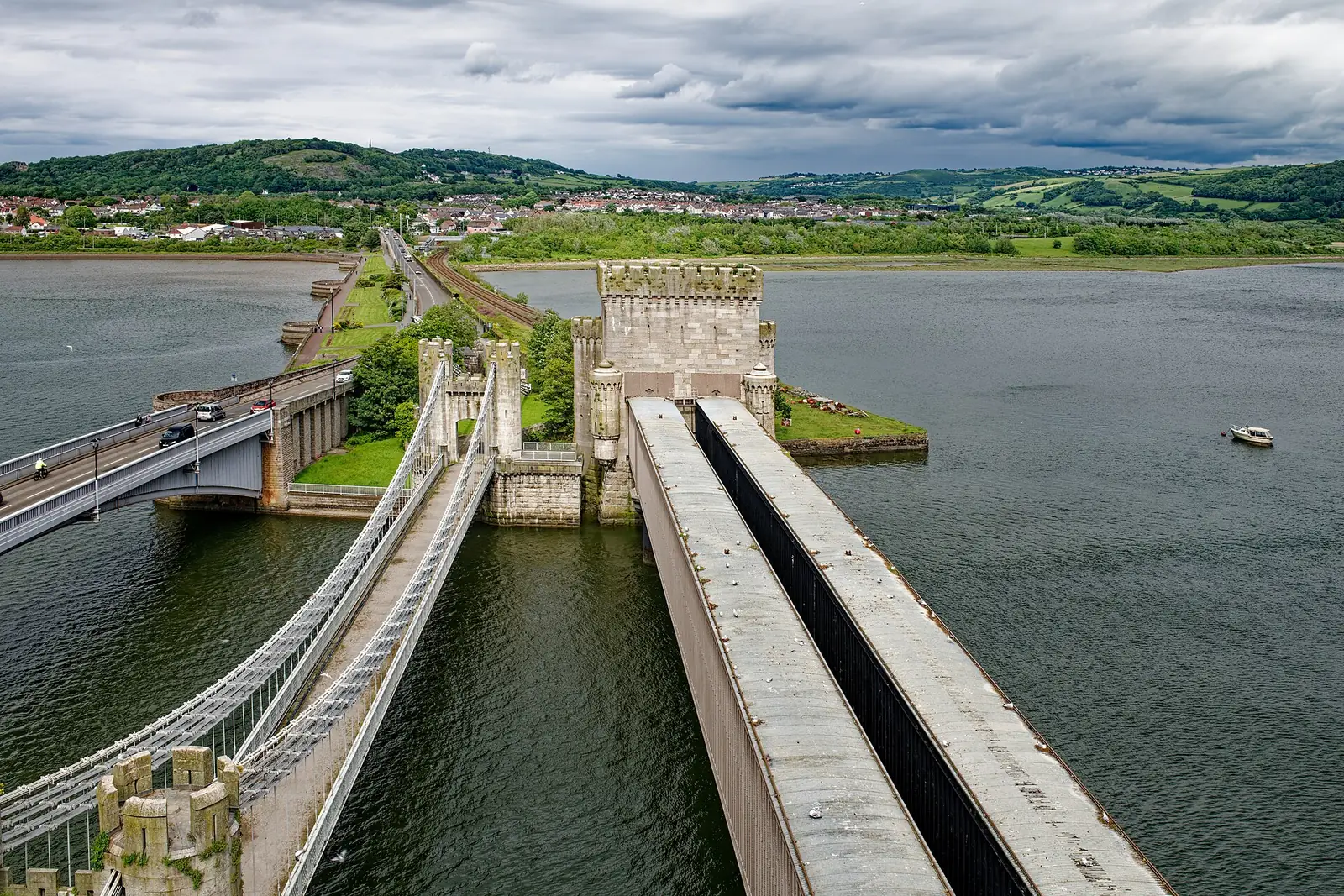
A chain bridge styled to match the castle beside it, with two later crossings standing alongside.
Beyond the first defining moments, the fuller Conwy catalogue continues below.
A small town shaped by its walls, its castle and its waterfront, with eight stops within a short, level walk of one another.
No verified image yet
Conwy Castle
Conwy Castle, at the town’s south-east corner above the river. A separate ticketed visit (Cadw).
Eight sights, all within a short, flat walk of one another: a castle, a complete town wall, an Elizabethan house, a 15th-century merchant's house, a working church, a working quay, two historic bridges and a quiet wood. No restaurants, pubs or shops are listed here; see Local life for the town’s everyday character.
Heritage
You can walk a complete circuit of the battlements here, tower to tower. From the top, all three of the town’s bridges cross the river at once.
Check opening times and admission (opens in a new tab)Heritage
Few towns anywhere still have a complete walkable wall around streets people live in. This one is free, and one stretch is currently closed for works.
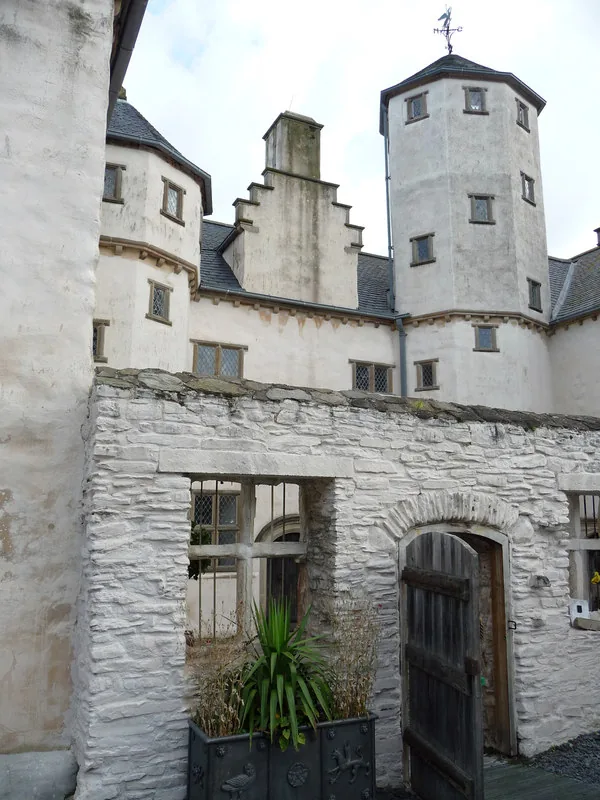
Heritage
Widely called Britain’s best-preserved Elizabethan town house. The ornate plasterwork inside still carries the Wynn family’s own heraldry, not a museum’s reconstruction.
Check opening times and admission (opens in a new tab)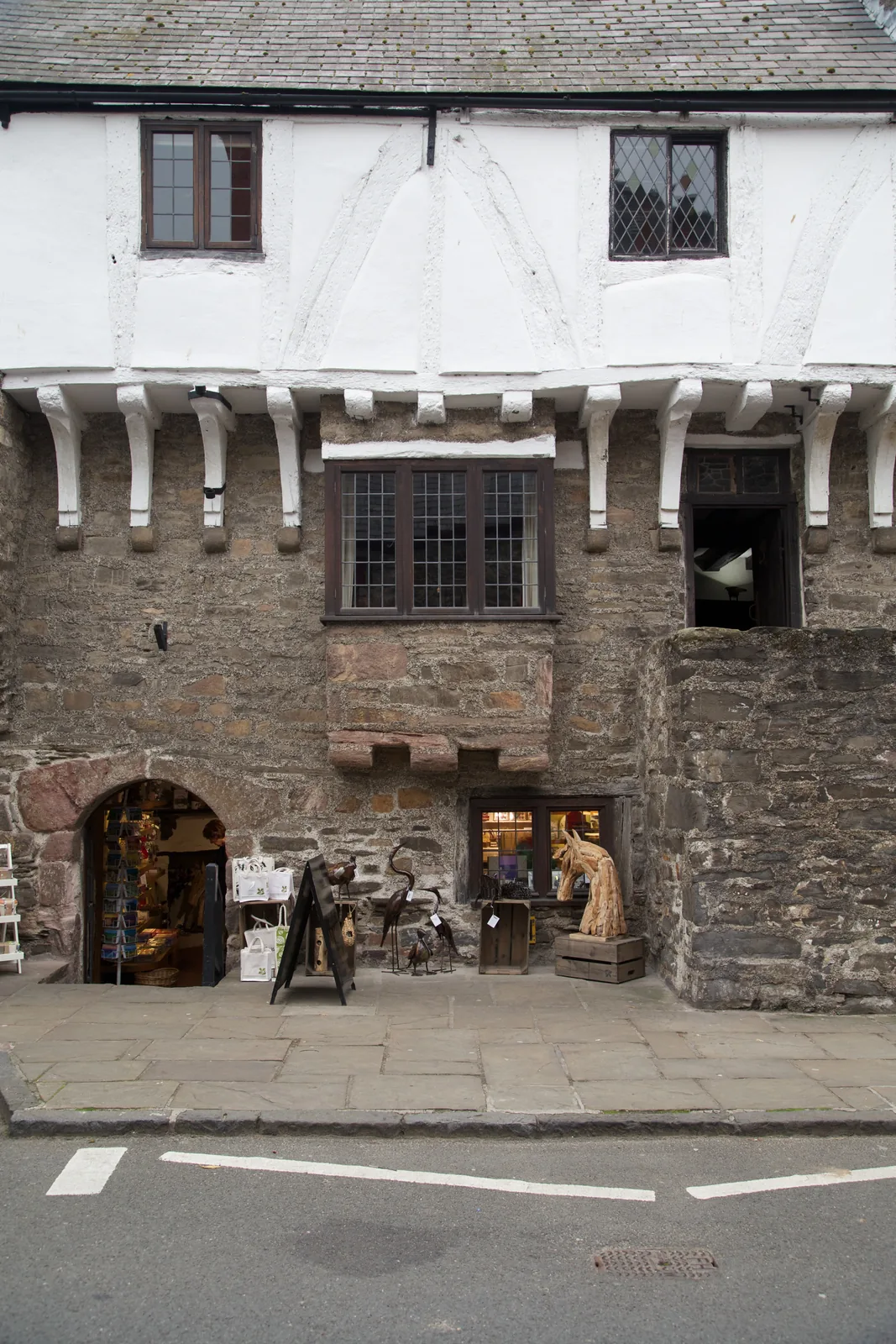
Heritage
The oldest surviving secular domestic building in Wales, by the National Trust’s reckoning. A real merchant’s house, now with a second-hand bookshop inside.
Check opening times (opens in a new tab)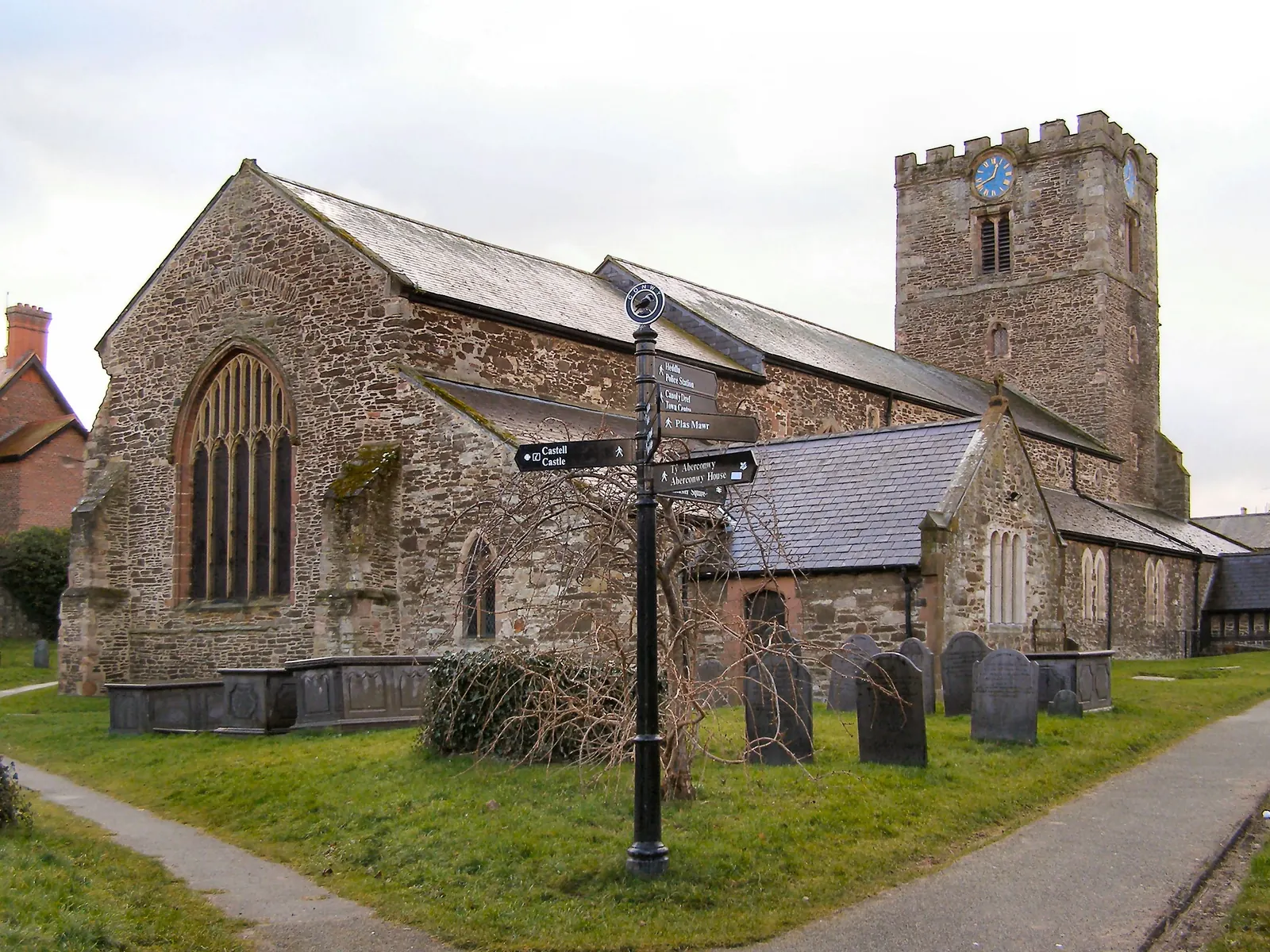
Working church
A working parish church standing in what is left of the abbey Edward I moved out of the way so the castle and walls could be built.
Waterfront
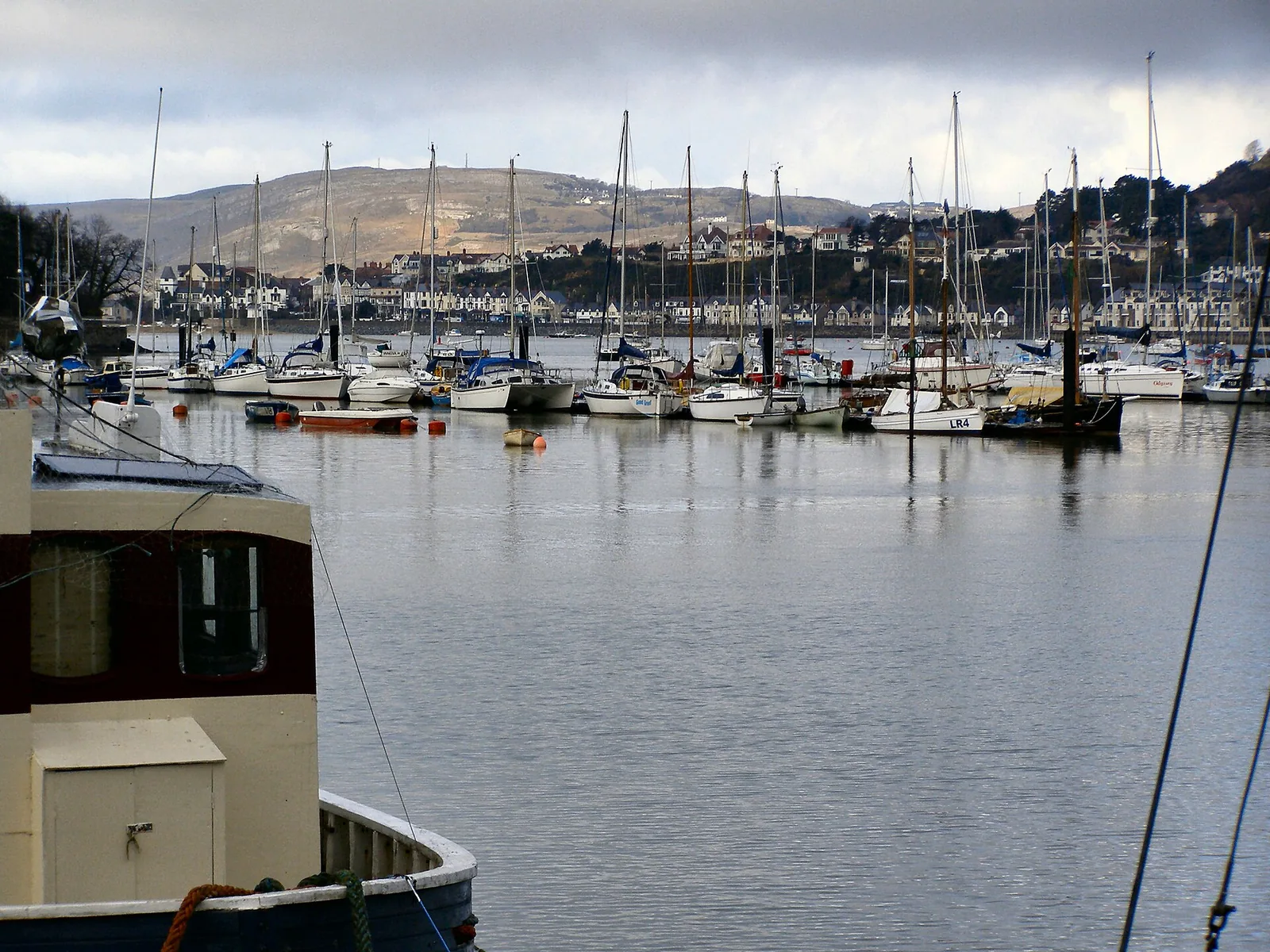
Mussel boats still land the catch here, and built into the row of cottages behind them is the house billed as the smallest in Great Britain.
Check opening times (opens in a new tab)Heritage & transport
Telford gave his chain bridge castellated towers so it would answer the castle beside it. Cars have gone; it belongs to walkers and cyclists now.
Nature
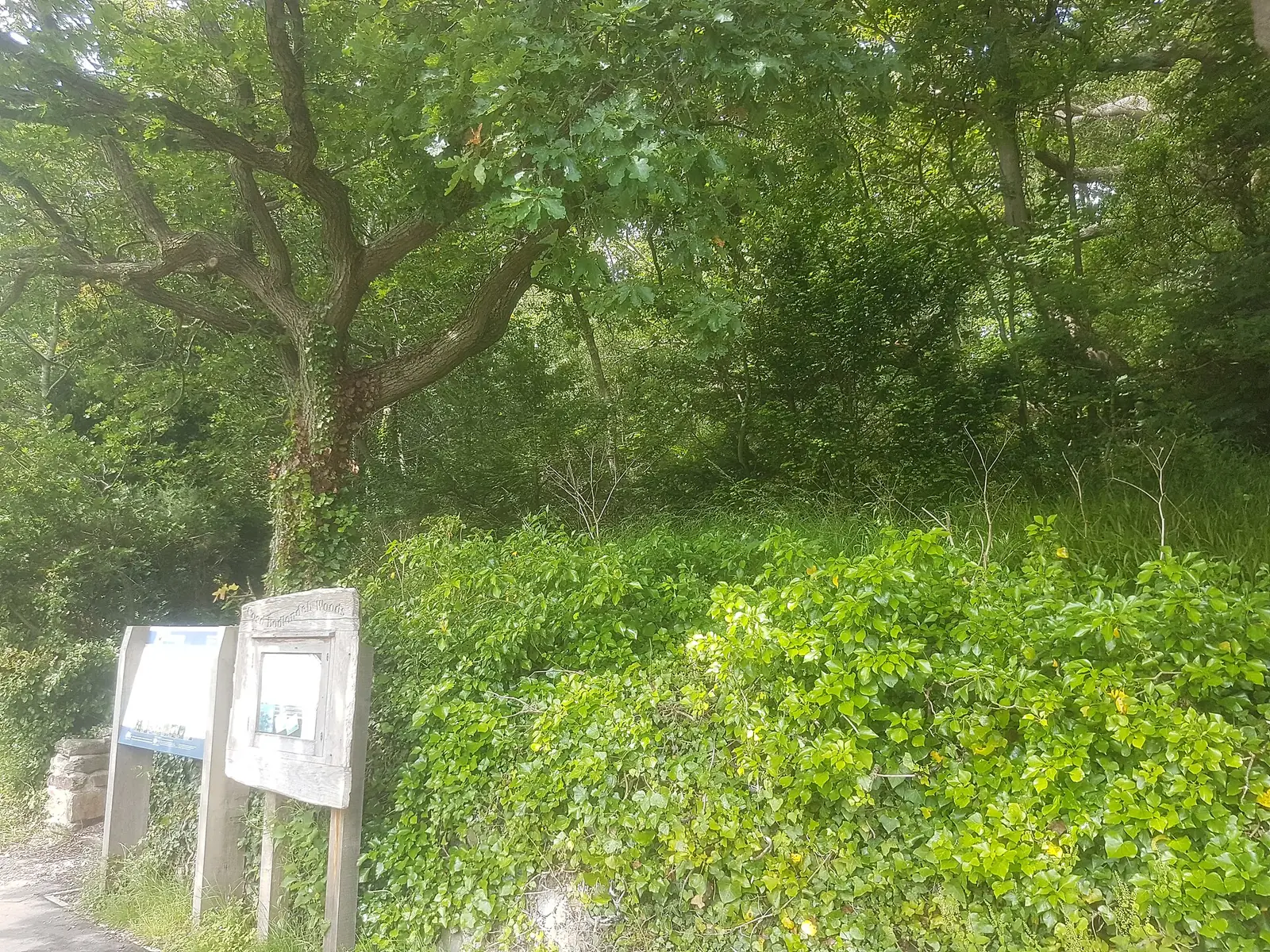
A few minutes beyond the walls and the crowds stop: quiet woodland on the estuary shore, the former grounds of a Victorian hall, open to everyone.
Castle, Plas Mawr and Aberconwy House opening times and admission prices change seasonally, so confirm current details before you plan a day around them.
Castell Conwy, Cadw03Story
Before Conwy was a castle town, it was Aberconwy: a Cistercian abbey founded in 1172, and burial place of the princes of Gwynedd. Edward I’s conquest of Wales rewrote the site completely, and every layer since has been built inside that same fortified plan.
Cistercian monks founded Aberconwy Abbey here in 1172; a succession of Welsh princes were buried in its church, including Llywelyn ab Iorwerth (Llywelyn the Great).
Edward I evicted the monks to Maenan and built his castle and 1.2km of town walls together as one project. The abbey church became the town's parish church, and survives today as St Mary’s.
The chartered town grew inside its walls for centuries; Plas Mawr (1576–80) and Aberconwy House (timbers to 1417) both survive from this long era of merchant wealth and trade.
Thomas Telford's suspension bridge (1826) was styled to echo the castle; Robert Stephenson's tubular railway bridge followed in 1848–49, bringing the railway straight through the town walls.
Conwy's castle and walls joined Cadw's UNESCO World Heritage Site with Edward I's other Gwynedd castles in 1986. A working town underneath all of it: shops, homes and a mussel quay inside a scheduled monument.
The abbey came first, then the castle displaced it. Five centuries later the parish church built from its stones is still the quietest place in Conwy.
Atlas of Wales
Conwy is not a museum piece. Cafés, pubs and tea rooms cluster around the square and the Quay, and the mussel harbour is a genuine working trade, not a display. Boats still land the catch much as they have for generations.
Visitors share these streets with people who live here year-round. The Quay and High Street are busiest at midday in summer; outside that, the town settles into a quieter, more ordinary rhythm.
The Town Walls are strenuous, with steps and unlit stretches. A daylight walk, not a dusk one.
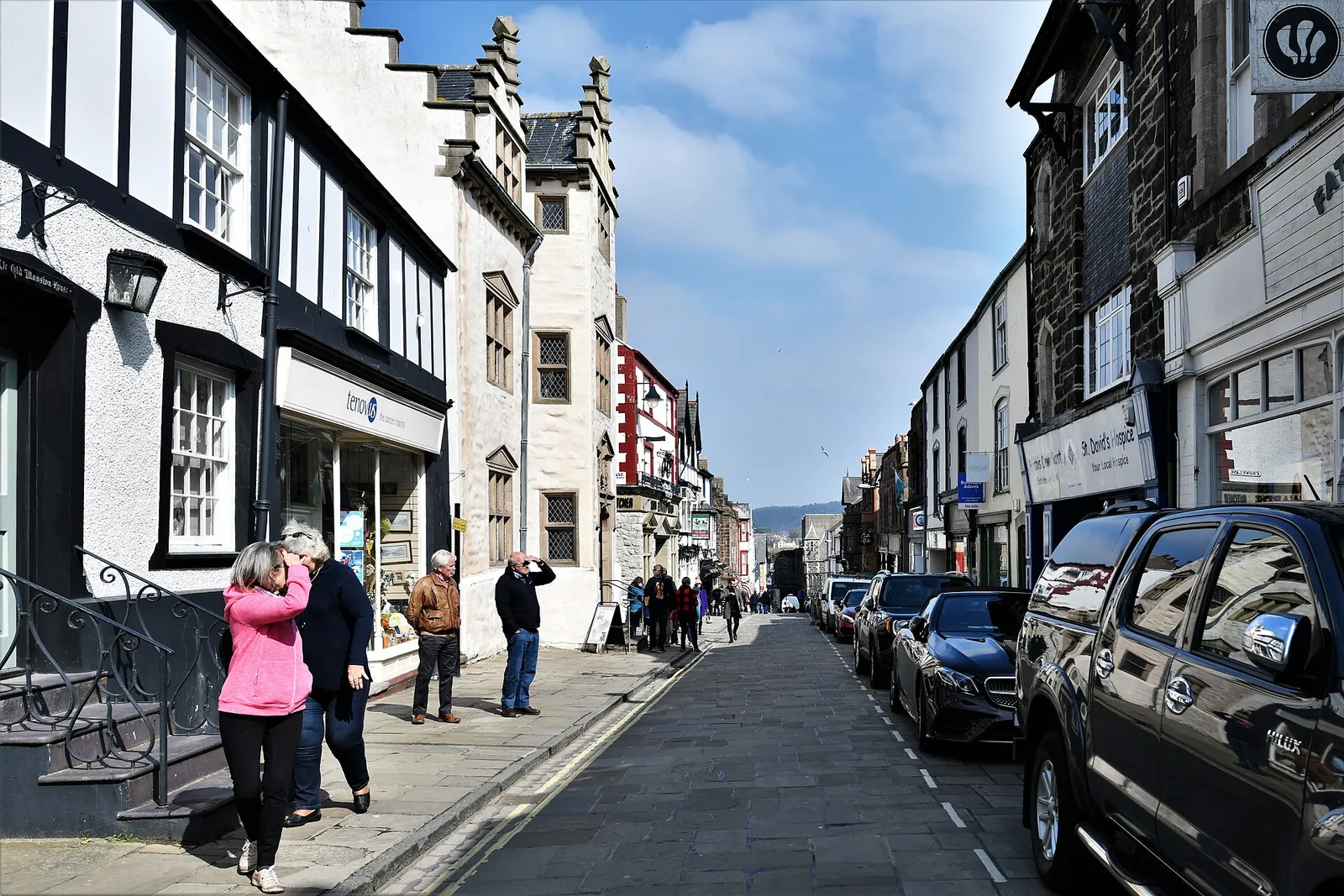
Independent shops, cafés and pubs line the High Street between the square and the walls. This is the part of Conwy people use every day, not simply somewhere visitors pass through.
Wild mussels, hand-raked from the estuary by a small number of local families, are still landed and processed on the Quay. A genuine trade, not a heritage re-enactment.
The castle, Plas Mawr and Aberconwy House keep seasonal hours, but the town itself does not. Homes, the church and the everyday streets carry on through the quieter months.
The town in one walk
Castle, church, old streets, quay and two bridges all sit within a five-minute walk. Start at any gateway and the town reveals itself in order: stone, timber, water, and the everyday life between them.
Plan your timeThe town’s smallest house is barely wider than its own front door, and it was lived in until 1900.
Atlas of Wales
04Plan
Any of the town car parks — Morfa Bach is the largest — or the railway station inside the walls.
Read the towers from the town side, or step inside on a Cadw ticket.
Free to walk. Steps and uneven stone throughout.
All three bridges, in one view over the estuary.
Any of the town car parks, or by train.
The towers and battlements, from the town side.
Walk the open sections of the wall-walk.
The old streets’ two surviving merchant houses.
Mussel boats, and Britain’s tiniest front door.
Step through the gatehouse on a Cadw ticket before the day’s busiest hours.
The open sections of the 1.2km circuit.
Plas Mawr, Aberconwy House, then the churchyard.
A pause for food, facing the water.
Cross Telford’s bridge on foot, Stephenson’s rail bridge alongside.
A quiet finish, a few minutes beyond the walls.
Practical
Everything you need for arriving and getting around.
Getting here
The A55 or B5106 reach the town; car parks sit in and just around the walls, with free parking at Mill Hill in Gyffin and on the Quay.
Open Morfa Bach car park in Google MapsConwy railway station sits inside the town walls, on the North Wales Coast Line (Transport for Wales), with step-free access to both platforms.
Check Conwy station timesBus routes serve Conwy from around the county, among them Arriva’s 5 (Llandudno–Bangor–Caernarfon) and 27 (Old Colwyn–Conwy). Check the current service before you travel.
Arriva route 5 timetablePractical details
Car parks sit in and just around the walls, council-run and private. Two are free: Mill Hill in Gyffin, sponsored by Conwy Town Council, and the car park on Lower Gate Street at the Quay.
Check the Conwy car parks listingCharges and restrictions can change. Check the signs when you arrive.
Morfa Bach
South-west of the walls · largest
Google Maps (opens in a new tab)Vicarage Gardens
Castle side · town centre
Google Maps (opens in a new tab)Mount Pleasant
West of the walls · above the town
Google Maps (opens in a new tab)Market Place
Lancaster Square · town centre
Google Maps (opens in a new tab)Bodlondeb
Bodlondeb · north-west of the walls
Google Maps (opens in a new tab)Conwy Quay
Lower Gate Street · on the Quay
Google Maps (opens in a new tab)Mill Hill, Gyffin
Gyffin · free parking
Google Maps (opens in a new tab)Public toilets at Conwy Quay (free) and the Tourist Information Centre (small charge), both with a RADAR-key accessible cubicle.
Details are drawn from a third-party access listing rather than the council's own page directly, so check current opening before relying on it.
Conwy Quay (free) · Tourist Information Centre (charged)
RADAR key required at both locations
Streets inside the walls are largely flat, but historic surfaces are cobbled and kerbed in places. The Castle, the Walls and Aberconwy House all confirm steps or uneven terrain.
No borough-wide access audit of the ordinary streets was found. This covers only the named attractions.
Largely flat; cobbles and kerbs in the historic core
Steps and uneven terrain confirmed · Not step-free
No single town-wide rule: the Town Walls ban dogs on the wall-walk, the Castle allows assistance dogs only March–October, and Aberconwy House welcomes dogs in its shop only.
Each site sets its own rule, so check the specific attraction rather than assuming one policy applies everywhere.
The ordinary streets and the Quay carry no blanket dog ban. It is the ticketed sites that each set their own rule.
Everything in this guide except Bodlondeb Woods is inside, or immediately beside, the town walls.
Use Conwy as a base
Four real Atlas destinations pair with a Conwy visit. Distances are straight-line from the town centre, not driving times.
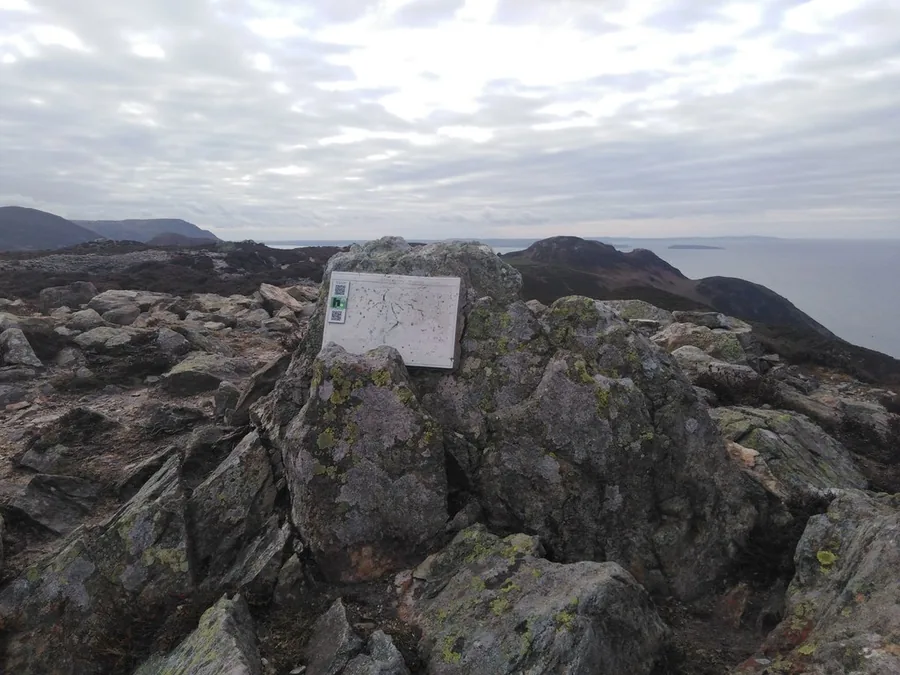
A 244m ridge rising straight out of the town walls, crowned by the Iron Age hillfort Castell Caer Seion, with the view back down over Conwy from above.
About 1.3 miles west (straight-line)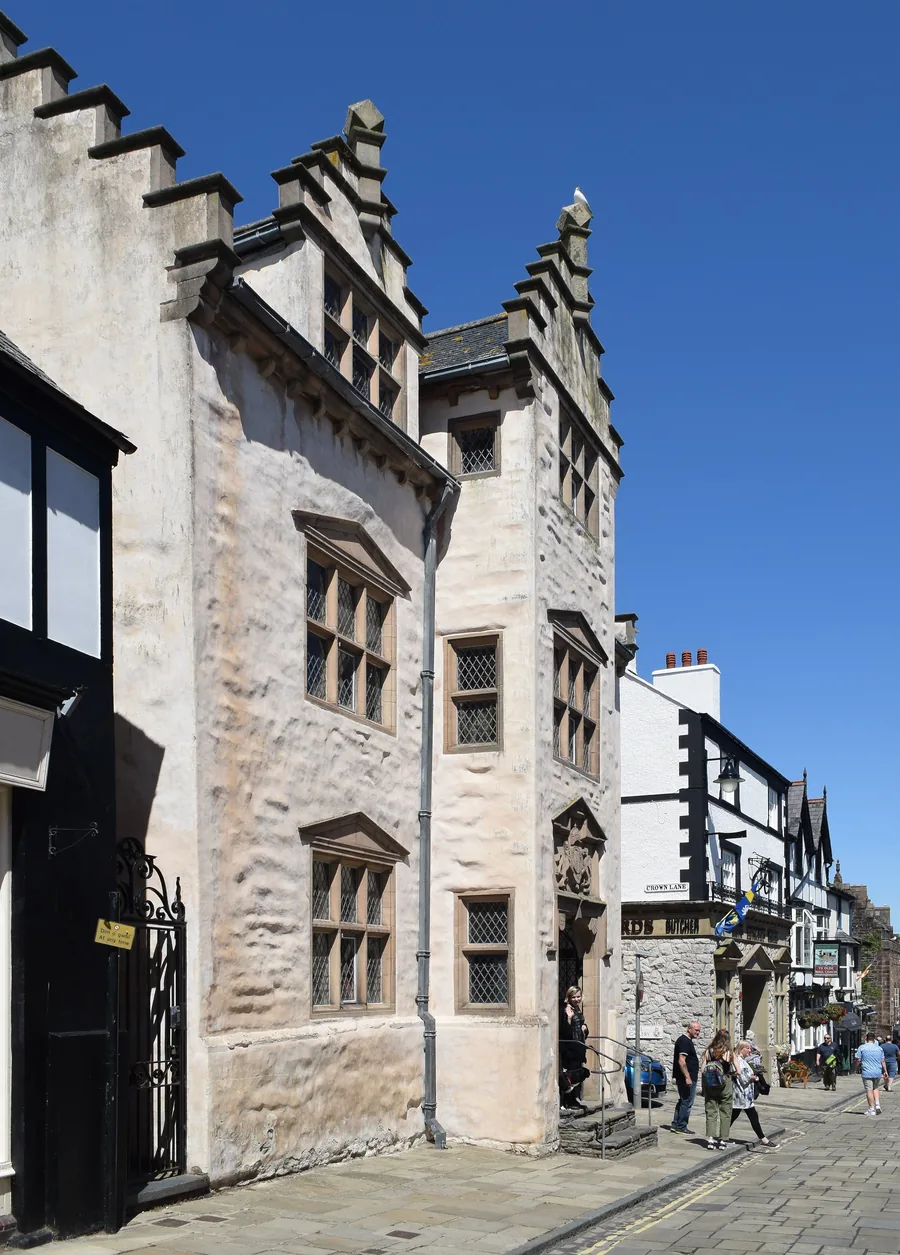
Britain’s best-preserved Elizabethan town house, its plasterwork still carrying Wynn heraldry.
About 0.0 miles north (straight-line)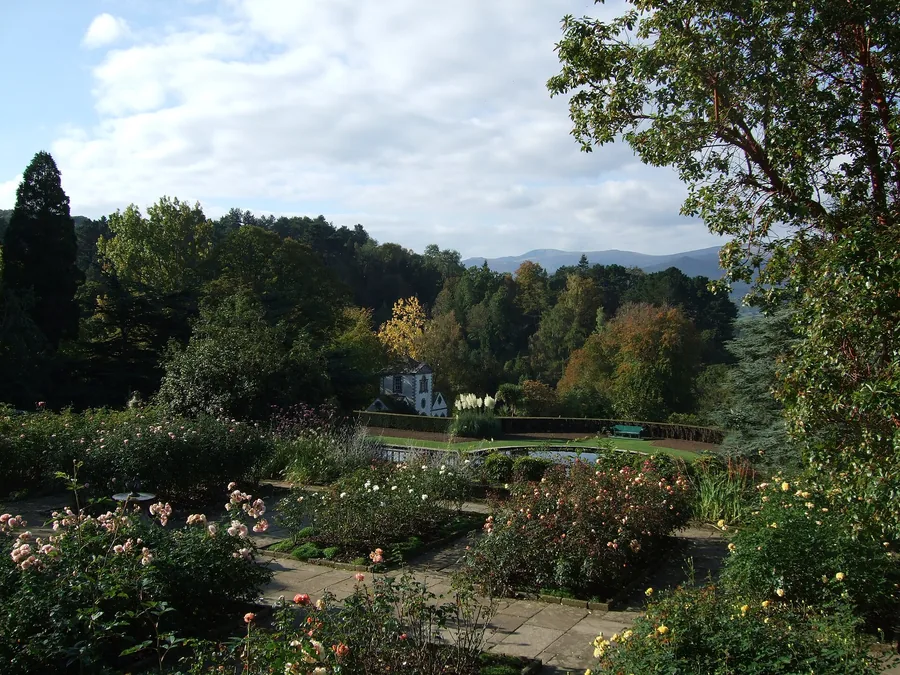
An 80-acre Grade I garden above the Conwy valley: a quieter, greener pairing with a heritage town, a short drive up the valley the town's own bridges lead into.
About 3.5 miles south-east (straight-line)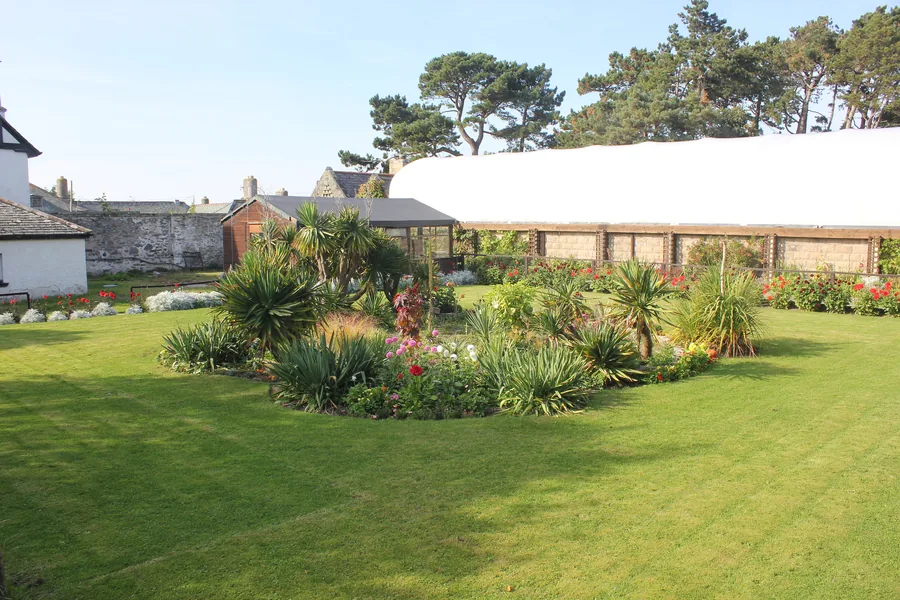
A hillside zoo above Colwyn Bay, running Britain's red squirrel breeding programme since 1989, and a family-friendly change of pace from a walled-town visit.
About 3.6 miles east (straight-line)Before you go
Walk from the castle to the quay and the bridges, and a 700-year-old plan still holds the town together.