Free parking for all guests, with designated Blue Badge spaces at the main car park near the Zoovenirs gift shop. Open the main car park in Google Maps.
Busy days
Parking may be limited on weekends and school holidays.
Old Highway / Flagstaff Gardens, Colwyn Bay, Conwy, LL28 5UY.
By car
Off the A55, exit at the Rhos-on-Sea interchange (Junction 20): about 3 minutes' drive, signposted.
By train
Nearest station is Colwyn Bay, around 1.5 miles away.
By bus
Route 12 (Rhyl–Llandudno via Colwyn Bay, Arriva) has the closest stop; alight at West End, Colwyn Bay, then a short taxi to the entrance. Check the current service before travelling.
The Welsh Mountain Zoo has occupied this 37-acre hillside above Colwyn Bay since 1963, when it opened as a family-run business. The Zoological Society of Wales now runs it as a registered conservation charity, with a collection that runs from snow leopards and Sumatran tigers to red pandas, chimpanzees and Humboldt penguins.
The part that goes furthest back is smaller and quieter: since 1989 the zoo has run Great Britain's captive breeding programme for red squirrels, feeding wild releases — including on Anglesey — since the late 1990s.
Hillside habitats above the bay.
Should this shape your day?
Steep paths, free parking, no dogs, and a red squirrel programme running since 1989.
Good fit for
families with children
wildlife-interested visitors
anyone with a half-day to spare near Colwyn Bay or Rhos-on-Sea
visitors comfortable with hills and stairs
Think twice if
you need fully flat, step-free access everywhere
you were hoping to bring a pet dog
you haven't checked today's opening hours
you’d find a steep hillside site hard going; the enclosures run up and down the slope
Allow enough time to walk the hillside route at an unhurried pace; this isn't a flat zoo loop.
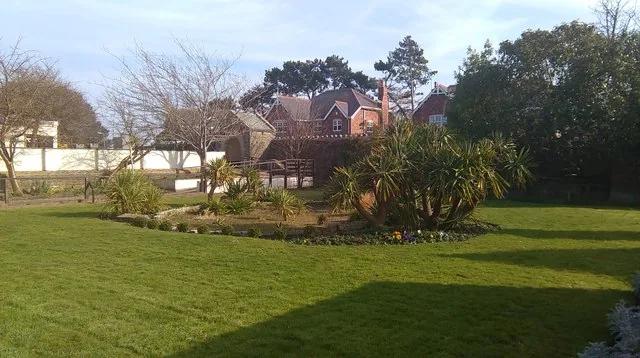
Garden ground between the animal habitats.
One hillside, seven scenes.
From the entrance gate up to the panoramic outlook.
01 Arrival
Off the A55 at Rhos-on-Sea (Junction 20), signposted to the zoo.
02 The car park
Free parking, with Blue Badge spaces close to the entrance.
03 The entrance
Through the Zoovenirs gift shop and the ticket gate.
04 Up the hillside
Paths climb between habitats: snow leopards, tigers, chimpanzees and more.
05 The red squirrels
Britain's captive breeding programme, running here since 1989.
06 A break
Penguin Café, Safari Restaurant, or one of the picnic areas.
07 The outlook
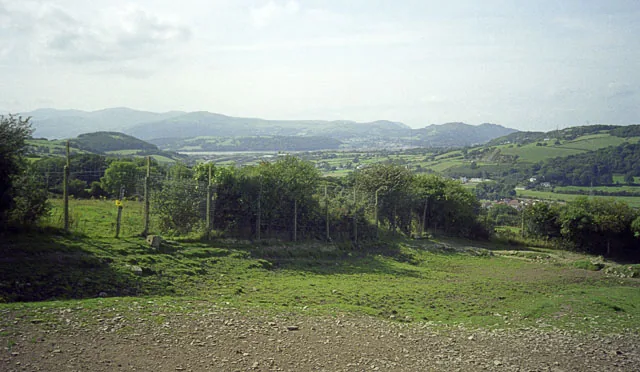
A panoramic view over the Colwyn Bay coastline, and the Carneddau on a clear day.
Seen along the way.
The visit before you make it.
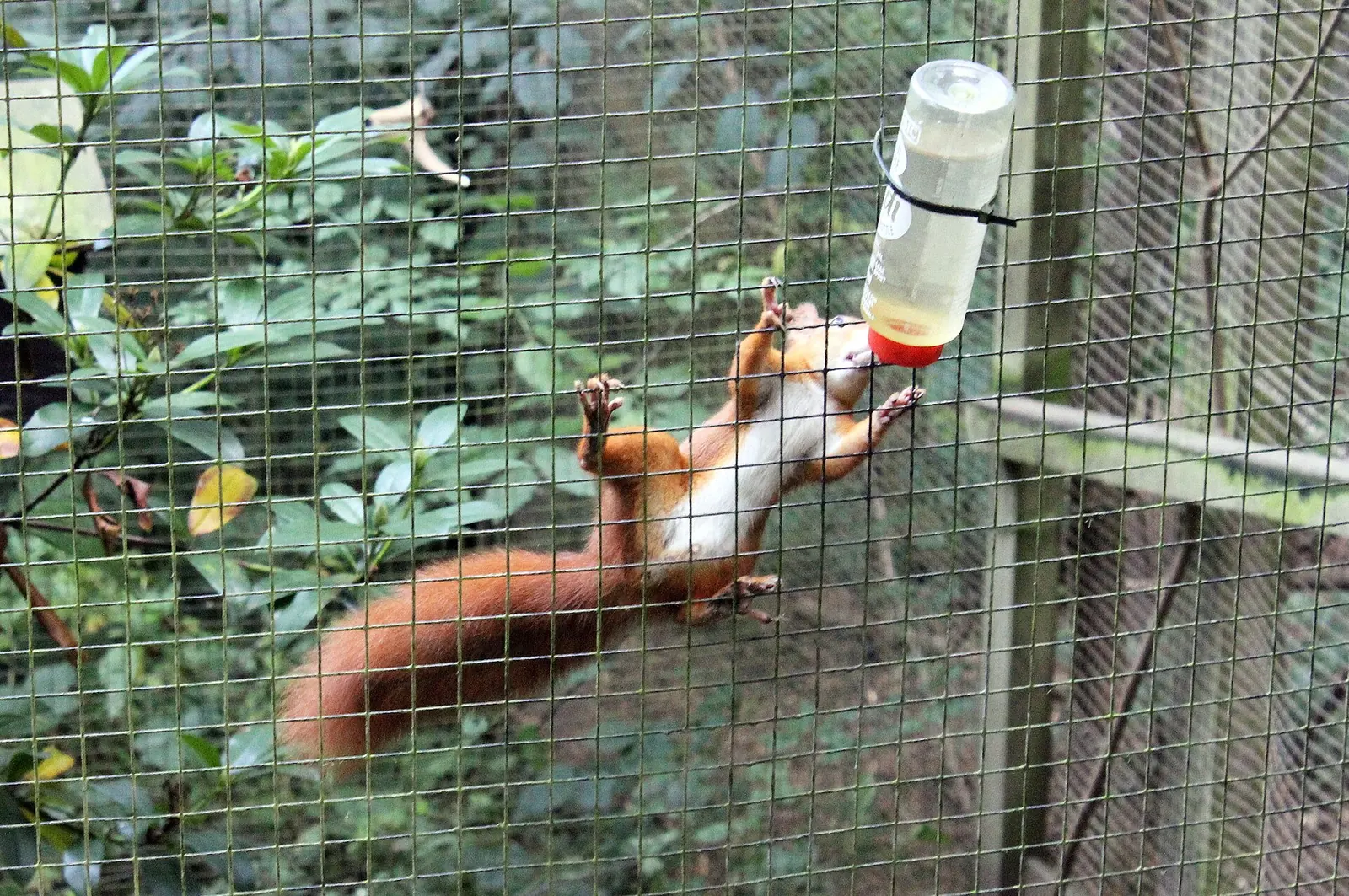
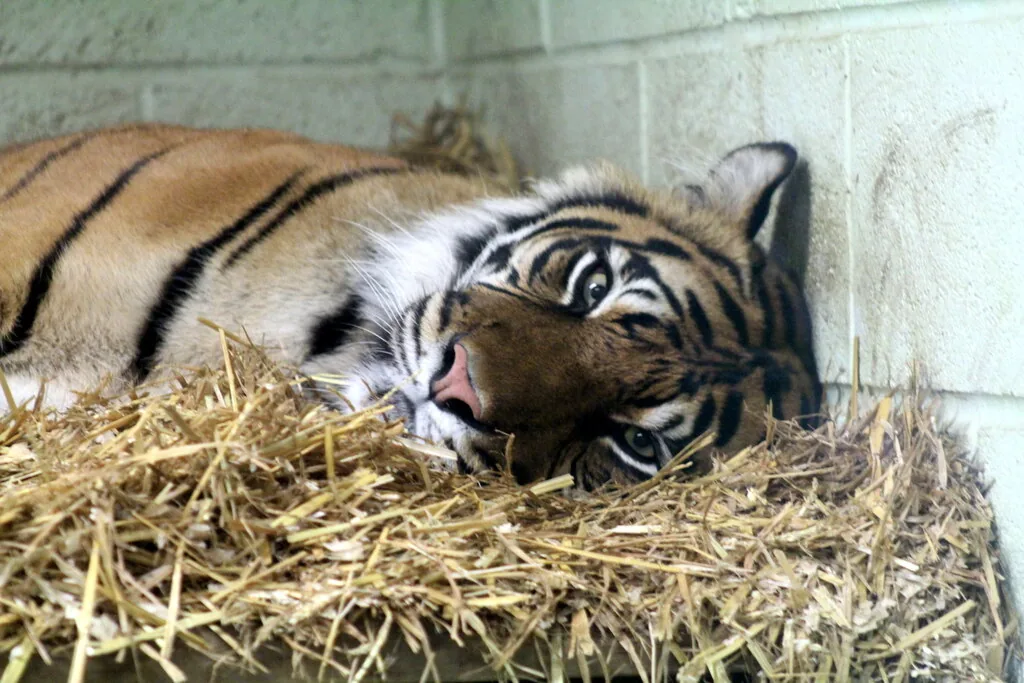
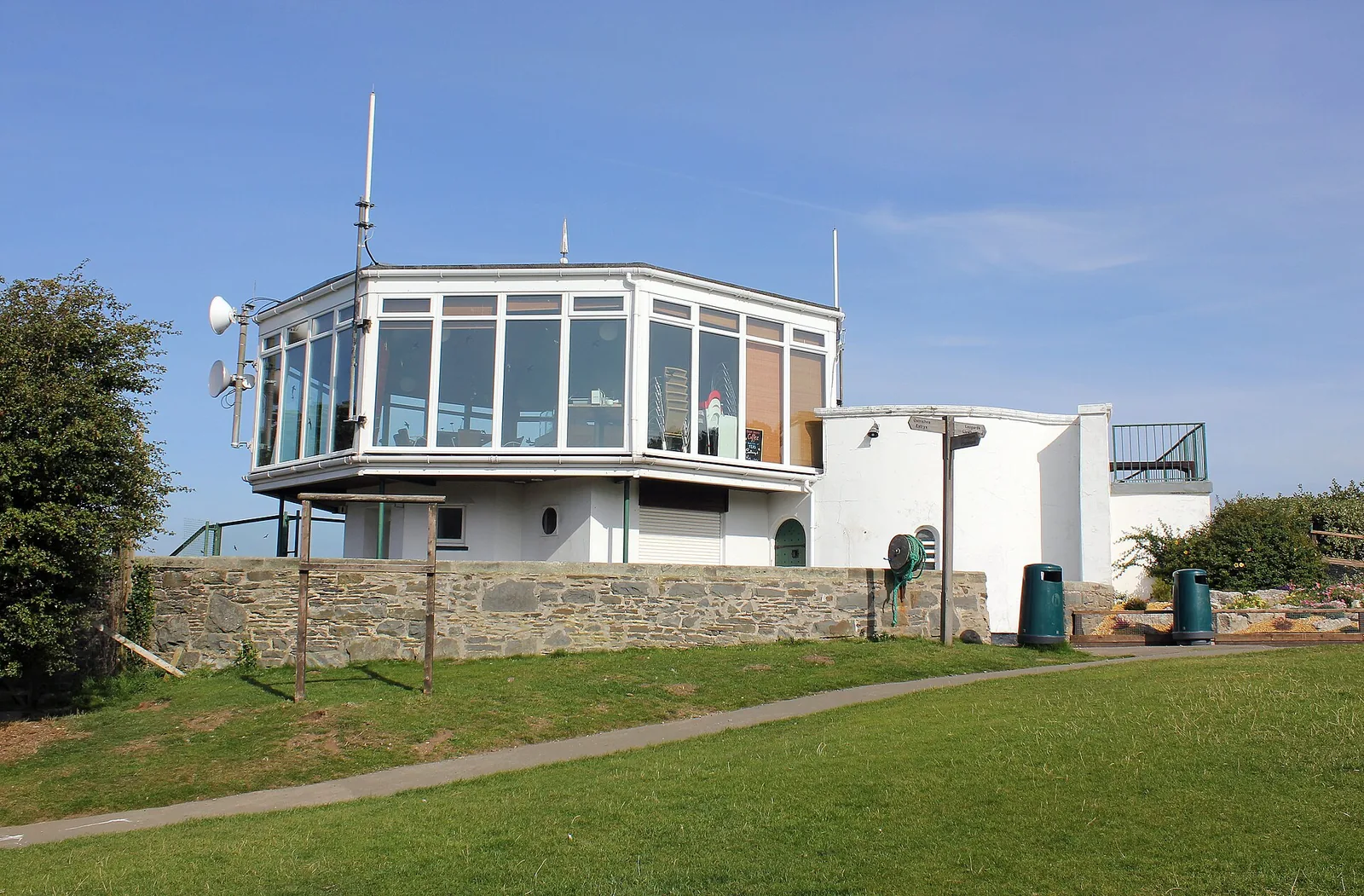
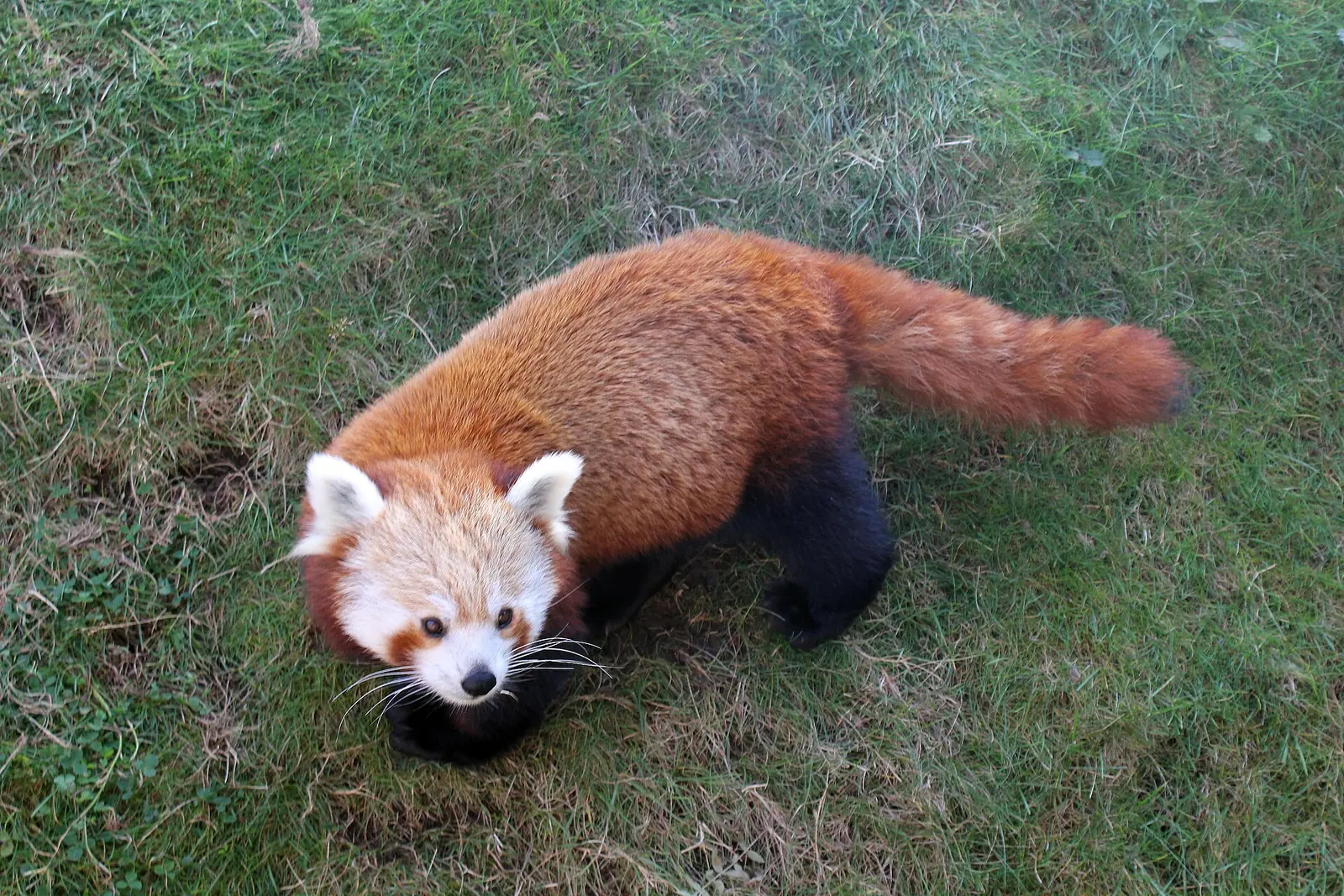
A red squirrel, part of the breeding programmeA Sumatran tiger, restingThe Flagstaff Café, with a viewing terraceThe mountain view from the hillsideA red panda
The parts people remember
A zoo laid out on a slope, so the walk is part of the visit.
01
Through the shop, onto the slope
The entrance leads straight out onto rising ground. There is no flat loop here; the first path already tilts uphill between the enclosures.
02
The coast appears behind you
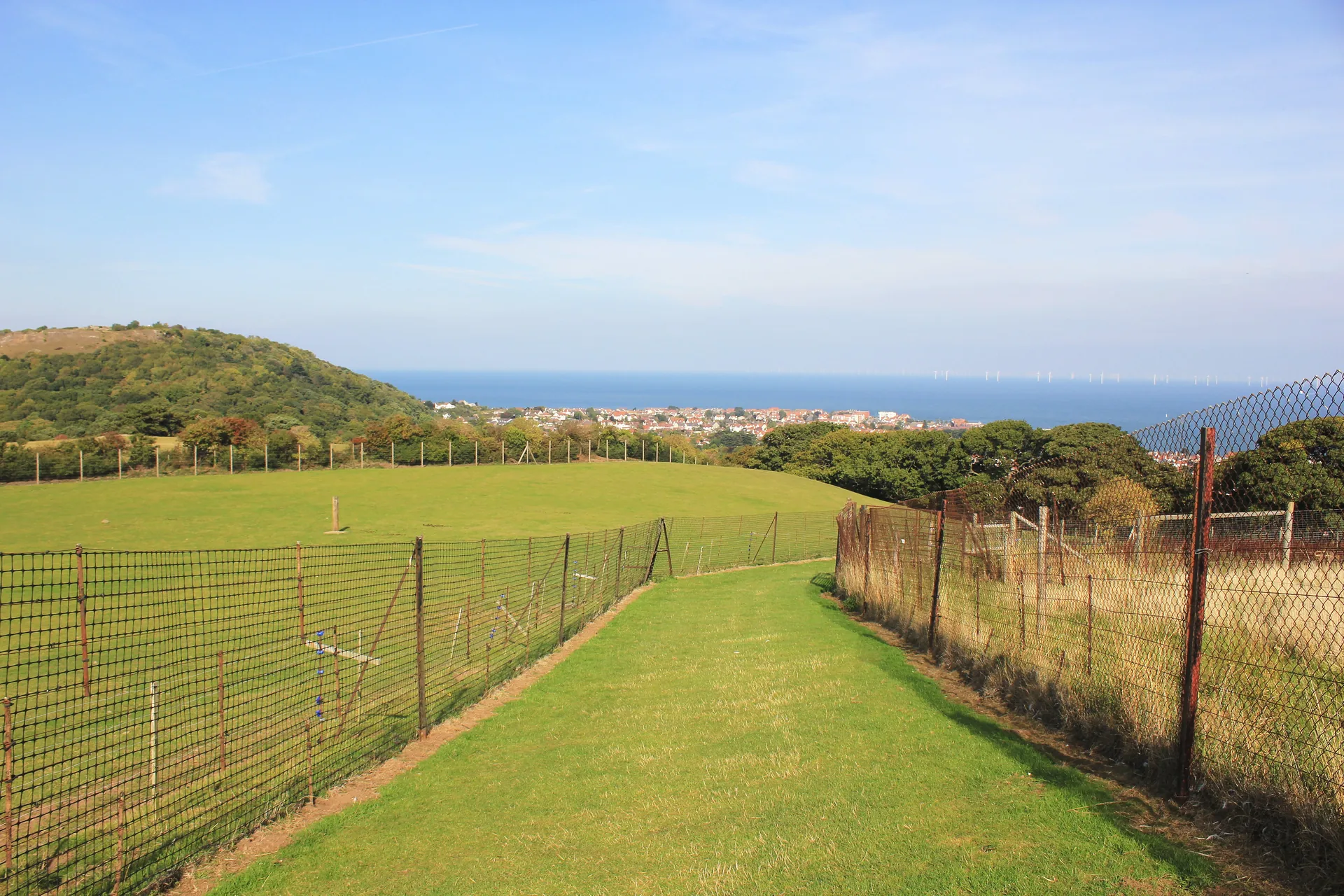
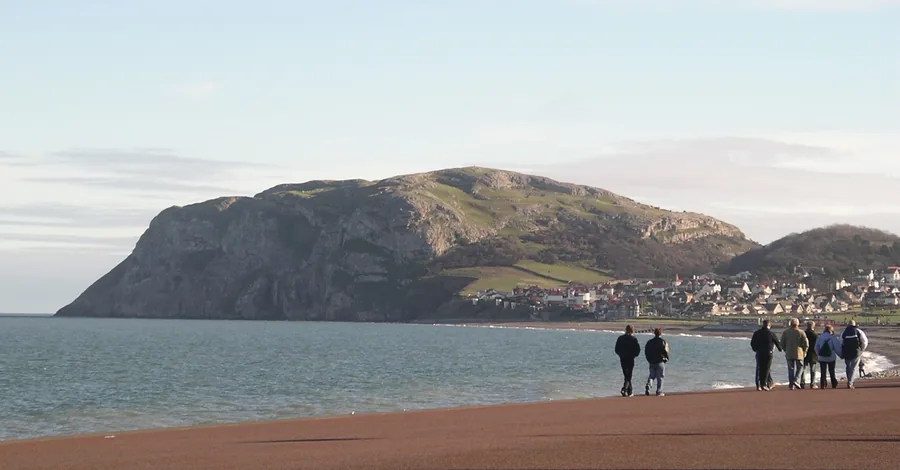
A grass path runs along a fenced paddock, and turning back the whole of Rhos-on-Sea and the bay is laid out below the fence line.
03
Height gained between habitats
The climb happens in stages, a little more between each enclosure, until the buildings at the entrance are well below and the trees start to thin.
04
A small enclosure, easily walked past
The red squirrels are among the quietest animals here: a feeder, a wire run, and something small moving fast in the branches at eye level.
05
The outlook, then down
At the top the trees give way to a terrace and the bay lies flat below with the Carneddau ranged behind it, before the ground tips back toward the gate.
The animals bring people up the hill; the hill is what they remember climbing.
Zoo Archive
Old stories, carefully told.
Three field notes on what this zoo has been: conservation work, founding, and its wider reach.
No legend attaches to this place. What follows is documented history, each note sourced.
Field notes
Three entries. Open one to read the note.
Conservation Fact
Britain's red squirrels
Field note I · filed under conservation work
Since 1989, this zoo has run Great Britain's captive breeding programme for red squirrels, and it's still releasing animals into the wild today.
What is known
The zoo manages Great Britain's captive breeding programme for red squirrels with the BIAZA Native Species Working Group. Since 1998 this has contributed to 34 red squirrels released to the wild, plus 22 more from supporting collections since 2004, feeding wild population projects including on Anglesey.
What isn’t exact
The precise breakdown of release sites beyond Anglesey is not detailed in the source checked this session.
What to notice there
The red squirrel enclosures sit partway up the hillside route: easy to walk past quickly, worth the extra minute.
Founding history Fact
One family, one hillside
Field note II · filed under who built this
The Jackson family opened this zoo in 1963; the charity that now runs it has been doing so since 1983.
What is known
According to Wikipedia, the zoo opened on 18 May 1963, founded by naturalist Robert Jackson as a family-run business. The Zoological Society of Wales was formed in 1983 to manage the zoo's operations and finances.
What isn’t exact
These dates rest on a single secondary source (Wikipedia) this session, not yet cross-checked against a second independent record; treated here as reported, not confirmed.
What to notice there
The zoo's own marketing describes itself as the oldest and most established zoo in Wales, a claim from the operator, not independently verified here.
Wider reach Fact
Four conservation partnerships
Field note III · filed under who this zoo backs
A zoo this size backs conservation work on three continents.
What is known
The zoo supports the Wildcats Conservation Alliance (tigers and Amur leopards), the Wild Chimpanzee Foundation (Côte d'Ivoire, Liberia, Guinea and Sierra Leone), the Red Panda Network (Nepal, India, China, Bhutan and Myanmar), and the Snow Leopard Trust.
What isn’t exact
The zoo's exact annual contribution to each partner is not detailed in the source checked this session.
What to notice there
Interpretation panels beside the relevant habitats (tigers, chimpanzees, red pandas, snow leopards) typically explain each partnership on site.