Half a day for the full circuit · eight towers and the wall walk
Best time
Longest hours Mar–Oct · no Cadw quiet-time guidance
Opening, entry & booking
Admission charged; Cadw members and under-5s free · 9:30–6 summer, shorter in winter
Access & difficulty
Steep path, no step-free towers
Parking & start point
Pay and display, on site
Getting there
About 0.6 km away
Toilets, food & facilities
Accessible, on site
Dogs
Assistance dogs only (Mar–Oct)
Plan with confidence.Detailed information on arrival, access, facilities, restrictions and local conditions.
Opening, entry & booking
Opening hours
1 Mar–30 Jun 9:30am–5pm · 1 Jul–31 Aug 9:30am–6pm · 1 Sep–31 Oct 9:30am–5pm · 1 Nov–28 Feb 10am–4pm. Last admission 30 minutes before closing.
Admission
Admission charged. Under-5s free. Cadw members free. Disabled visitor and companion free. Prices change with the season: check Cadw’s current prices before you travel.
Gift shop, Wi-Fi, a water refill station, and a portable hearing loop.
Food
No on-site café confirmed; the town’s cafés are a short walk away.
Accessibility & terrain
From the visitor centre
A steep path of about 50 metres, including several steps, before you reach the castle itself.
Underfoot
Cobbled ground inside the castle, which can be uneven.
Upper towers
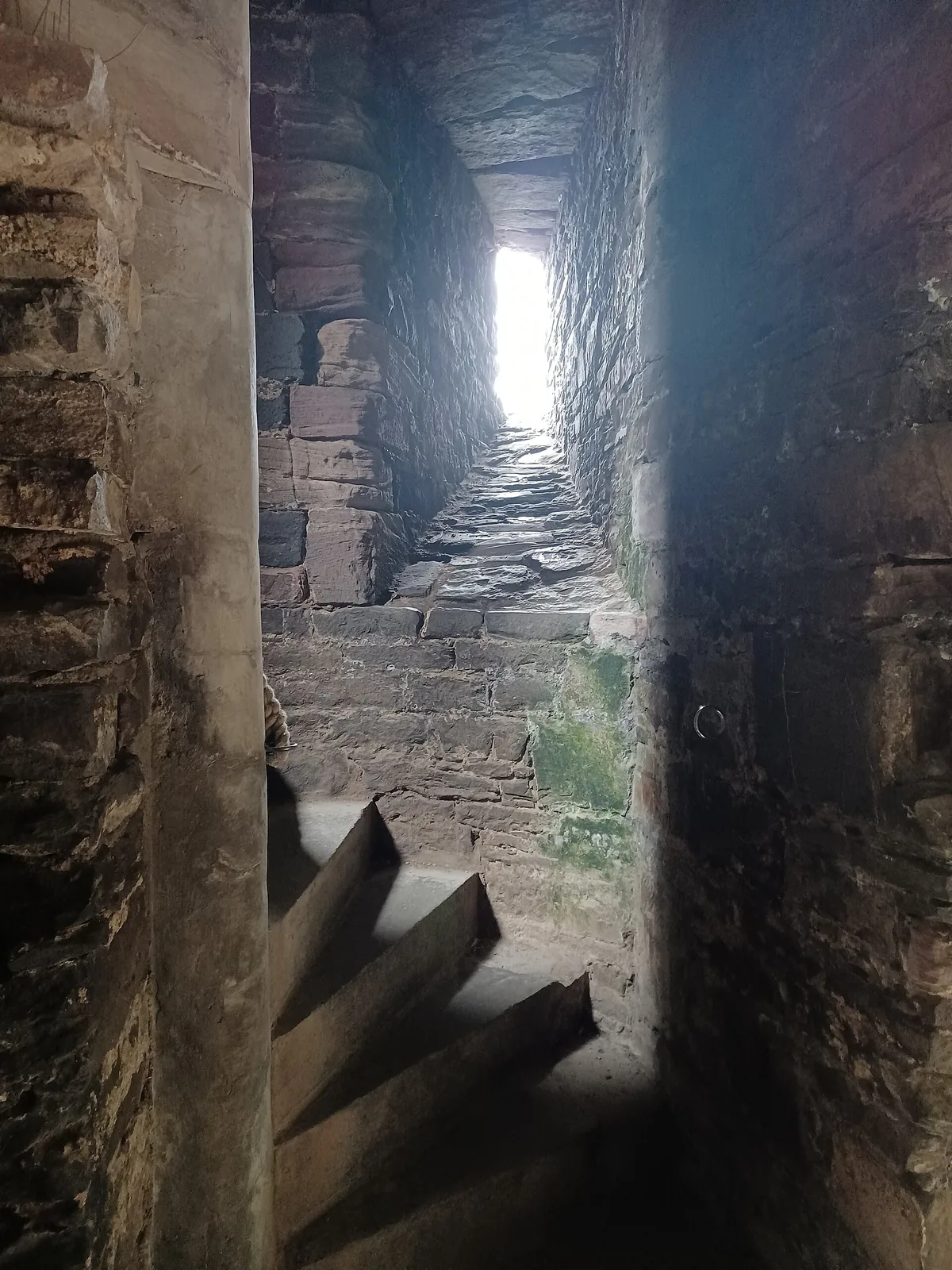
Reached only by historic, steep spiral staircases; not step-free anywhere past the ticket gate.
Mobility scooters
May struggle with the gravel paths and cobbles.
Dogs & restrictions
March–October
Assistance dogs only.
November–February
Short-lead dogs permitted on ground floors.
Safety, weather & local conditions
On site
Steep and uneven steps, falls from height, slippery surfaces, high winds, low light, and falling masonry are all flagged by Cadw as real cautions here; this is a working medieval ruin, not a fully modernised museum.
Emergency
In an emergency, call 999.
PLACE-SPECIFIC DETAILS
Other place details
Status
UNESCO World Heritage Site
What to bring
Sturdy footwear for the towers
Waterproof layer
Water
Cash or card for tickets
Camera
Not a roped-off ruin: a working castle.
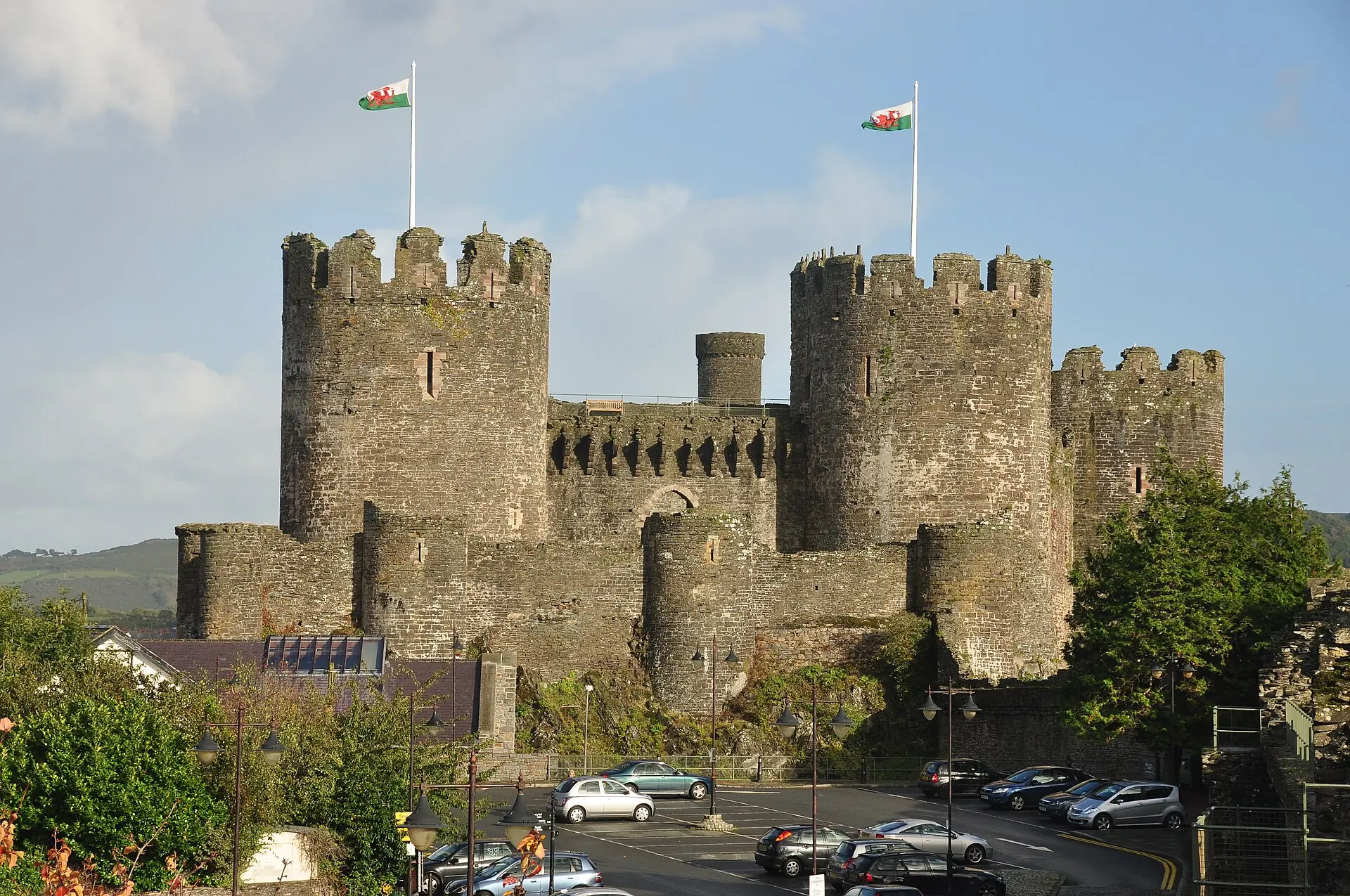
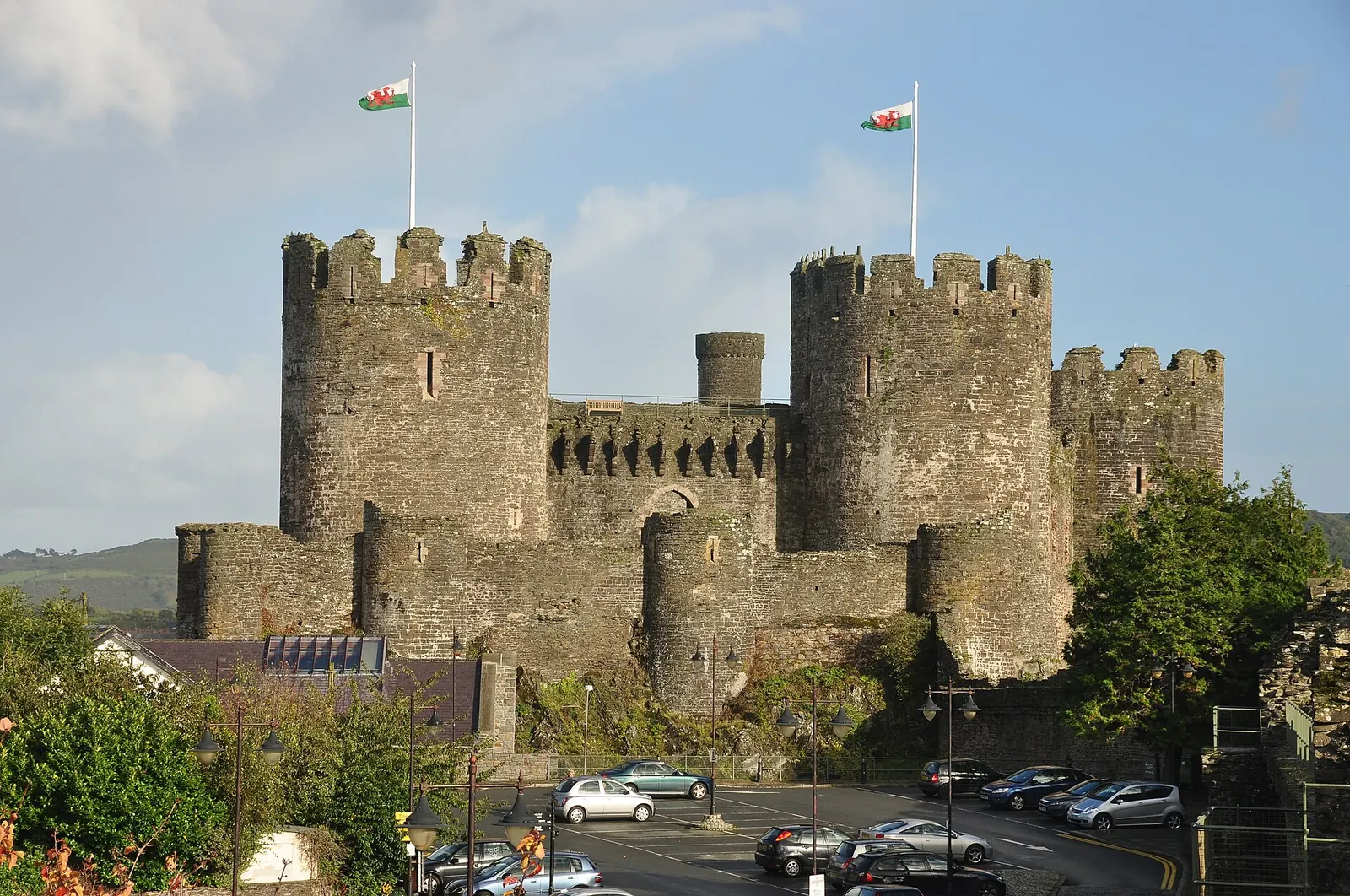
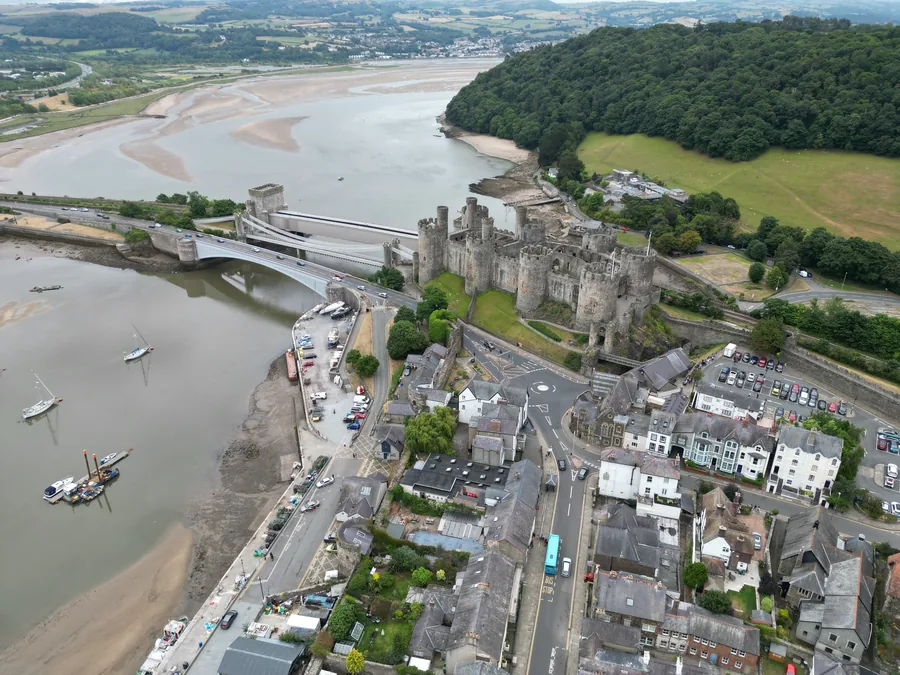
Built in four years for Edward I by his own master mason, Conwy still lets you climb into its towers and walk the whole battlement circuit. Eight towers, two barbicans, and a wall-walk that goes all the way round.
The steep unmarked climb starts before you even reach a tower. This is a real medieval building, not a museum reconstruction; treat it accordingly.
Eight towers, one circuit.
Should this shape your day?
A working medieval castle you can still climb, not a roped-off ruin.
Good fit for
history-minded visitors
anyone doing the Edwardian castle group
visitors steady on stairs and uneven stone
photographers after the three-bridges view
Think twice if
you need step-free access beyond ground level
you're visiting with a dog outside assistance-dog rules (Mar–Oct)
Walk the full battlement circuit and finish at the north end, above the river’s three crossings.
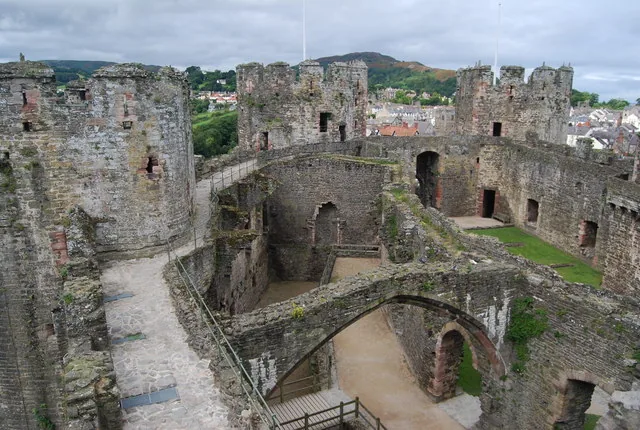
One of the most complete sets of medieval royal rooms in Britain.
One visit, seven scenes.
See the shape of the visit before you commit to it.
01 Arrival
The ticket point beneath the castle.
02 The climb
A steep 50m path, steps before the gate.
03 West barbican
A fortified entrance, not a doorway.
04 Royal apartments
The King’s Great Chamber, still standing.
05 The spiral stair
Historic stone, steep and uneven.
06 Battlement circuit
A complete walk around the top of the walls.
07 The north view
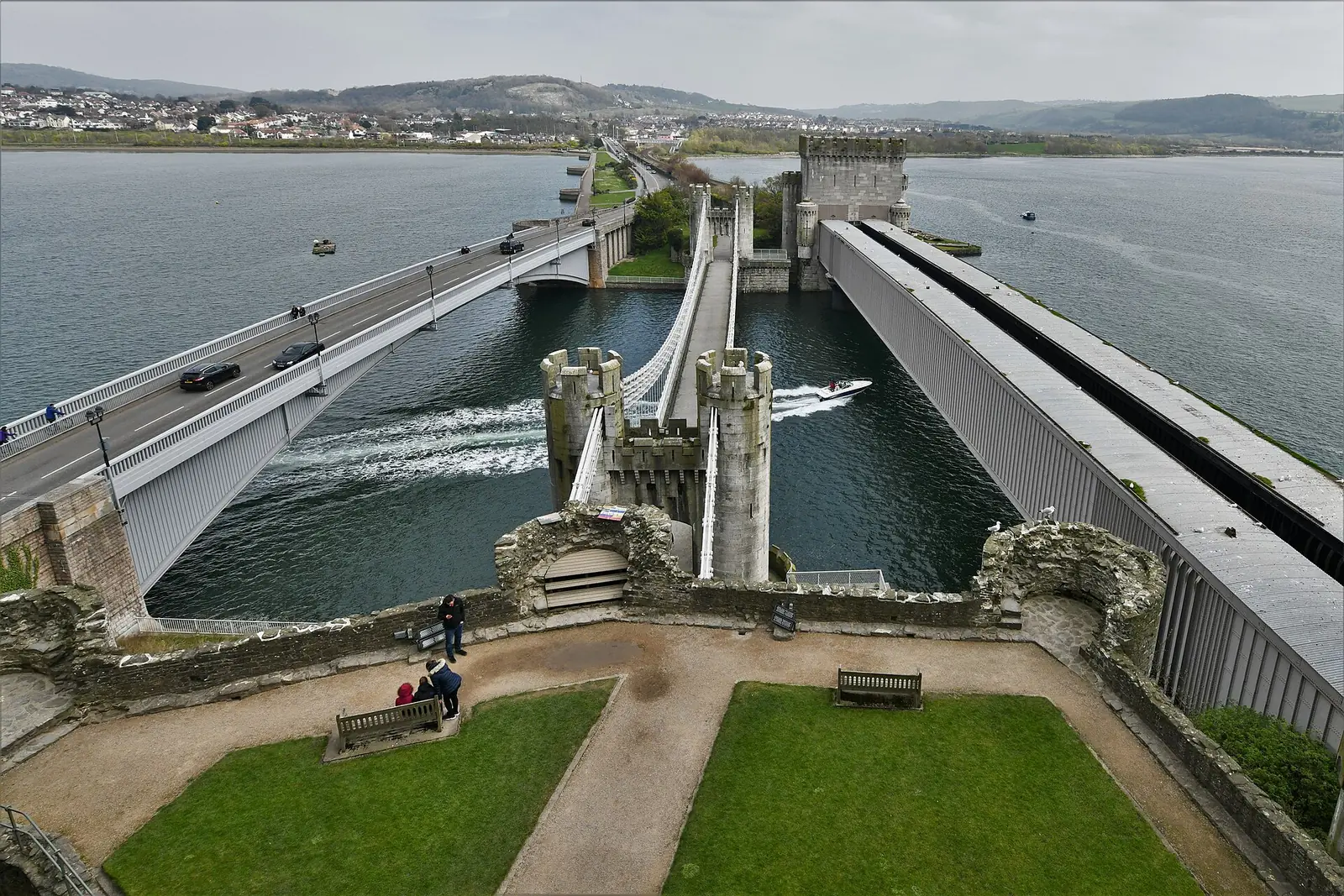
Three bridges cross the river below.
Seen along the way.
Stone, stairs and river: the visit before you make it.
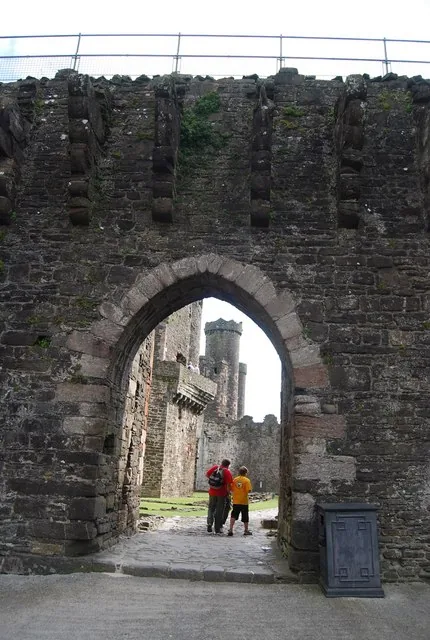
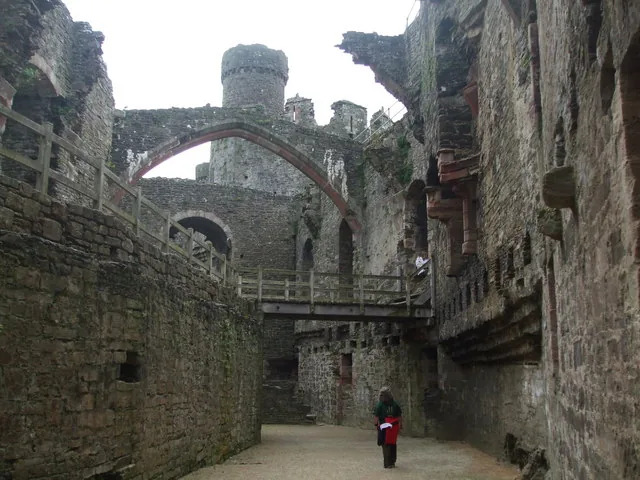
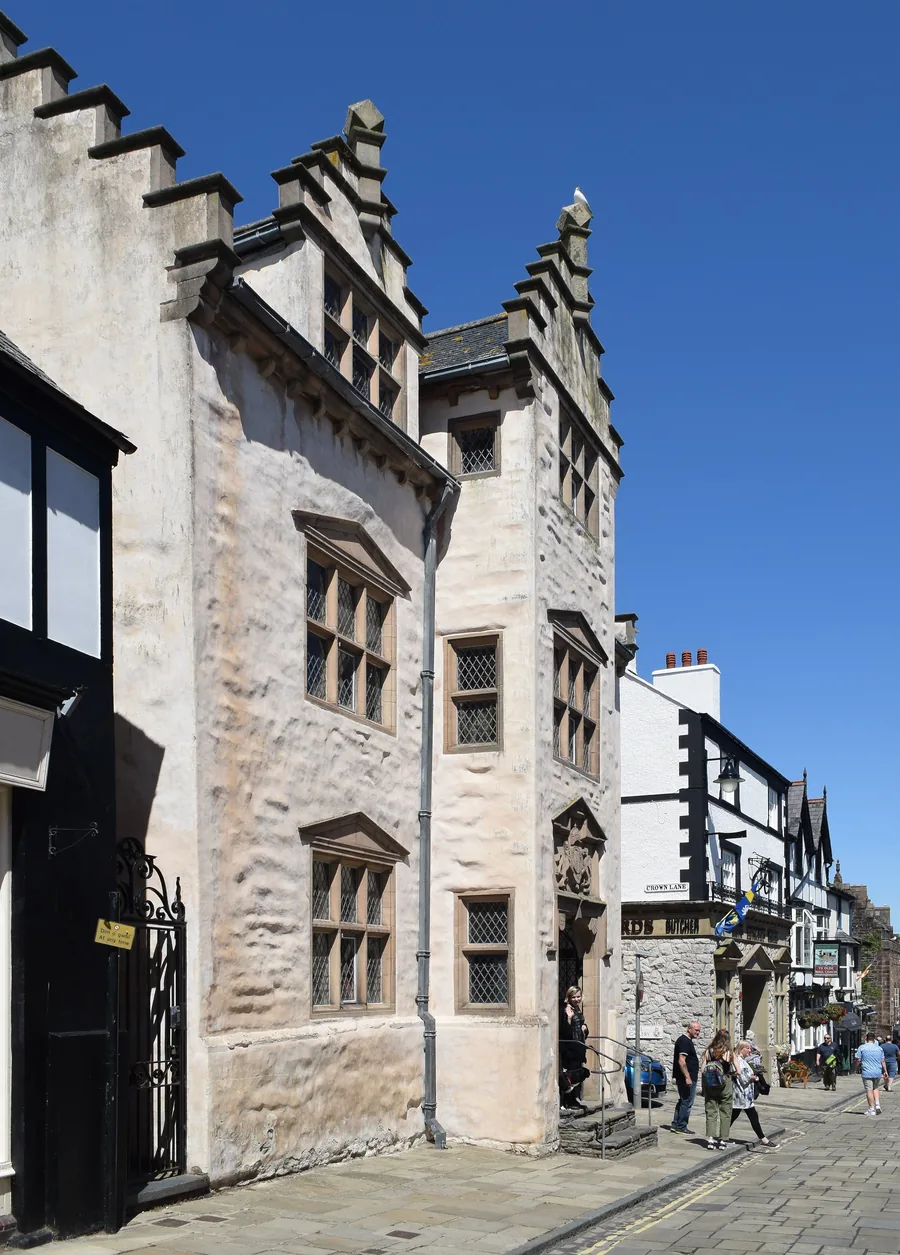
The castle’s eight towers · one design, built in four yearsThe west barbican · a fortified entrance, not a doorwayThe Great Hall · roofless, but still standingThe stone stair up into a tower · steep, and older than it looksTwo bridges from the castle grounds · a third, the tubular railway span, sits just out of this frame
The parts people remember
Conwy is not one view. It is a sequence of stone and stairs.
01
The climb before the gate
The castle doesn’t wait at the end of a flat path; the last fifty metres up from the ticket point are steps, not paving.
02
Through the west barbican
The entrance itself is a fortification: a narrow, defended approach before the ward ever opens out.
03
The King’s chamber
Inside, one of the most complete surviving sets of medieval royal private rooms in Britain: not a recreation, the actual stone.
04
Underfoot on the spiral stair
The stone steps up into the towers are original and uneven; the climb itself feels older than a modern staircase, because it is.
05
The view north from the battlements
Three very different bridges cross the same stretch of river below: a plain road bridge, a castellated suspension bridge, and a tubular railway span.
The castle stays with people because you can still climb inside it.
Castle Archive
Old stories, carefully told.
Four field notes on what this castle has seen: construction, siege, capture, and recognition.
All four notes below are documented history. No folklore was found for this place, and none is invented here.
Field notes
Four entries. Open one to read the note.
Construction Fact
Four years, one mason
Field note I · filed under construction
Built in four years by Edward I’s own master mason, during the conquest of Wales.
What is known
The castle was built 1283–1287 for King Edward I, designed by his architect Master James of St George. It has eight towers and well-preserved medieval royal apartments (Cadw).
Further detail
Sources describe two barbicans and towers around 70 feet tall, and the castle divided into an Inner and Outer Ward. The combined cost of the castle and town walls is put at roughly £15,000, an enormous medieval sum.Single source
What to notice there
The speed of the build shows in its consistency: one design vision carried through every tower, rather than centuries of piecemeal addition.
Siege Fact
The 1294–95 siege
Field note II · filed under siege
Barely a decade after it was finished, the castle held a king through a Welsh revolt.
What is known
During the Welsh revolt of 1294–95, Edward I was besieged at Conwy Castle and could only be resupplied by sea.Single source
What it shows
The castle’s coastal position — built to be resupplied by water when the land around it was hostile — is exactly what kept the king safe here.
What to notice there
The riverside towers and the water gate are the practical reason a siege here could still be survived.
Capture Fact
Taken by carpenters
Field note III · filed under the Glyndŷr rising
A handful of Welshmen took the castle back: not by siege, but by disguise.
What is known
In April 1401, during Owain Glyndŷr’s uprising, a small group described as Glyndŷr’s cousins disguised themselves as carpenters, captured the castle, and held it for several months before it was retaken.Single source · exact duration softened
What it shows
Even a fortress built to be unbreachable by force could be taken by a handful of men who talked their way through the gate.
What to notice there
Standing at the barbican, it’s worth remembering the gate itself was the weak point, not the walls.
Recognition Fact
A world heritage group
Field note IV · filed under recognition
Conwy doesn’t stand alone; it’s one of four castles recognised together.
What is known
Conwy Castle is a UNESCO World Heritage Site (Cadw). It is grouped as part of “Castles and Town Walls of King Edward in Gwynedd”, inscribed in 1986, alongside Caernarfon, Harlech and Beaumaris.Grouping & date · single source
What it shows
These four castles were built as one campaign, under one king, by one architect; the inscription recognises them as a single achievement, not four separate buildings.
What to notice there
Conwy’s completeness — the full battlement circuit still walkable — is part of why it anchors the group.
Don’t let the day end at one pin.
Four stops that turn one castle into a North Wales day.