An easy garden to reach and pay for on arrival, with no booking and no timed entry.
CHECK FIRST · OPENING
The garden opens on set days from February to October and closes through winter, bar special snowdrop openings. The days and times vary month to month, so confirm before you travel. See current opening on the official site.
Time needed
An hour to a half-day
Best time
Feb snowdrops · summer valley
Opening, entry & booking
Pay on the day · card
Access & difficulty
Steep gravel valley paths · not for wheelchairs or scooters
Parking & start point
Free, on site · Off Cadnant Road · LL59 5NH
Getting there
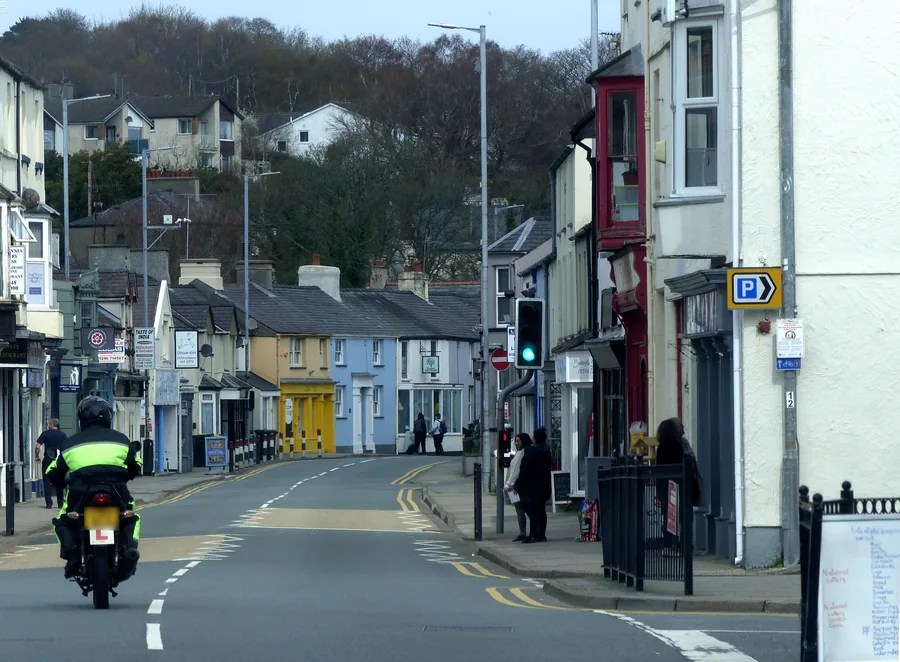
Off Cadnant Road · ~1 mile from Menai Bridge
Toilets, food & facilities
On site
Dogs
Assistance dogs only in the gardens
Plan with confidence.Detailed information on arrival, access, facilities, restrictions and local conditions.
Opening, entry & booking
2026 season
Adult £12, concession (60+) £11, child (6–16) £2.50, under-5 free, disabled visitor £5, family £28. A season ticket is £35 (£65 for two).
Paying
Turn up and pay on the day; card and contactless accepted. No booking needed for individuals; groups can arrange a visit in advance.
The garden opens at noon on its open days. There is no early arrival to beat, and weekday openings are the calmer ones.
Approach
Narrow lanes on the final stretch; take it slowly.
Public transport & car-free access
By car
Signed off Cadnant Road, about a mile from Menai Bridge toward Beaumaris. Postcode LL59 5NH. Free parking on site.
By bus
Buses serve Menai Bridge, roughly a mile away, among them route 4. Frequency varies, so allow for a walk at the far end and plan door to door with Traveline Cymru. Check the current service before travelling.
Toilets, food & facilities
Toilets
On site, within the gardens.
Tea room
A tea room in the gardens serves light lunches until 2:30pm, plus tea, coffee and homemade cakes.
Seasonal
The tea room opens when the garden opens, part of the visit in season, not a year-round café. Outside the season there is nothing on site.
Nearest alternative
Menai Bridge, about a mile away.
Accessibility & terrain
Underfoot
Some areas have steep gravel paths, not suitable for wheelchairs or mobility scooters; the valley garden in particular drops away on slopes.
Ask ahead
Call 01248 717174 to discuss access before you travel.
Dogs & restrictions
In the gardens
Assistance dogs only inside the gardens.
In the parkland
Other dogs are welcome in the wider parkland, on leads.
Safety, weather & local conditions
Underfoot
Steep gravel paths drop away into the valley garden. The main risk here is footing, and it is worse in wet weather.
After rain
The waterfalls run strongest after rain, which is also when the slopes are most slippery. Good boots change the visit.
Enclosed valley
A sheltered garden rather than an exposed site, so no tide, cliff or coastal hazard applies.
PLACE-SPECIFIC DETAILS
Season & conditions
Open
February to October, on set days that vary by month; closed November to January bar special winter snowdrop openings.
Late season
October openings depend on the weather. The waterfalls run strongest after rain.
What to bring
Comfortable shoes
A layer for the valley
A camera
A card to pay
It hides in its own valley. That’s the point.
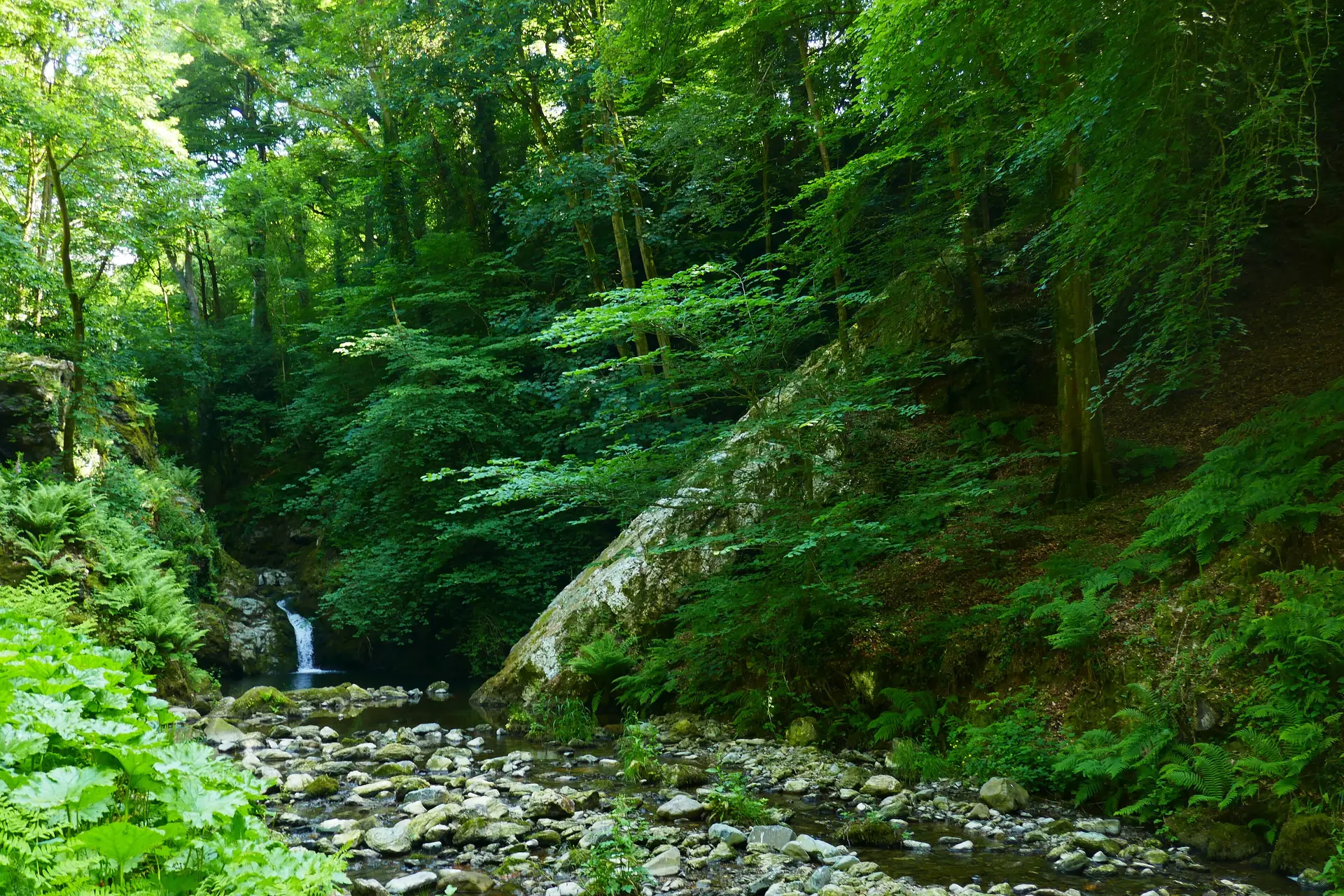
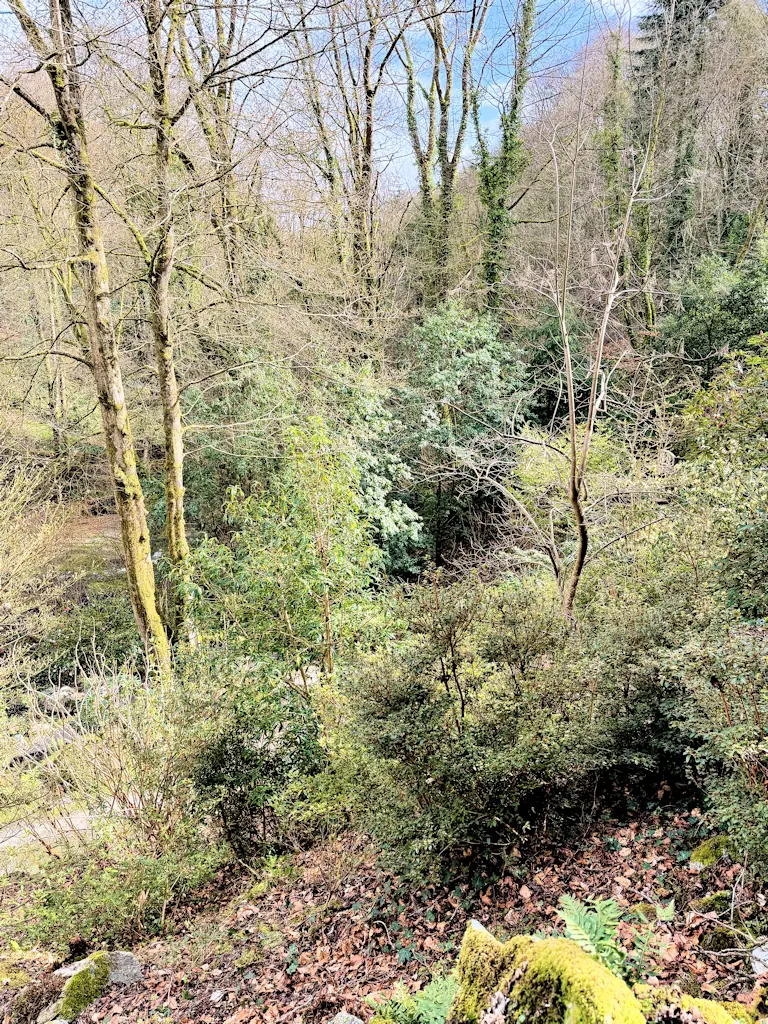
Plas Cadnant is ten acres of garden folded into a wooded valley between Menai Bridge and Beaumaris: a walled garden with curving walls and a pool, a secret valley garden where the River Cadnant drops over three waterfalls, and an upper woodland garden scattered with stone outcrops and the remains of a 19th-century folly.
None of it was here to see for half a century. Left to grow wild from the 1940s, the garden was uncovered and restored from the 1990s and opened to the public in 2011, a hidden garden dug back out of the bramble.
A river through a wooded valley, and a garden re-found.
Should this shape your day?
A calm garden-and-heritage half-day most people drive straight past on the way to Beaumaris.
Good fit for
garden and plant lovers
anyone who likes a restoration story
a calm couple’s or family half-day
photographers after green, sheltered scenes
snowdrop-seekers in February
Think twice if
you use a wheelchair or scooter: steep gravel valley paths
you want to bring a dog into the gardens
you’re passing outside the open season
you want a big-name showpiece garden
you’re counting on the tea room, so check it’s open on the day you visit
Before you go
open on set days, February to October, so check first
February for snowdrops, or high summer: the valley garden at its fullest and the waterfalls running after rain.
Ten acres in three parts: the formal garden above, the valley and its water below.
Down into the valley, and back.
See the shape of the visit before you make it.
01 Park
Free parking off Cadnant Road, a short walk from the gate.
02 Pay at the gate
Turn up and pay on the day; card accepted.
03 Walled garden
Curving walls, a pool, and old kitchen-garden borders.
04 Down to the valley
The River Cadnant and its three waterfalls.
05 Woodland garden
Stone outcrops and the ruined 19th-century folly.
06 The tea room
A light lunch or a slice of cake before you leave.
07 Parkland back
The wider estate, and the brook that names it.
Seen along the way.
The walled garden, the valley and its water: the visit before you make it.
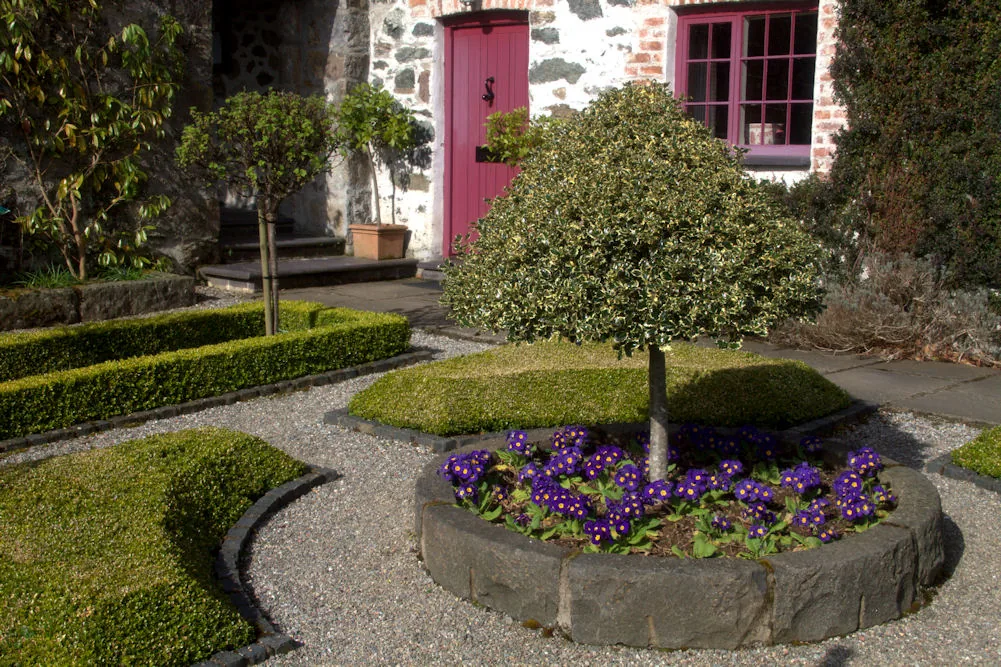
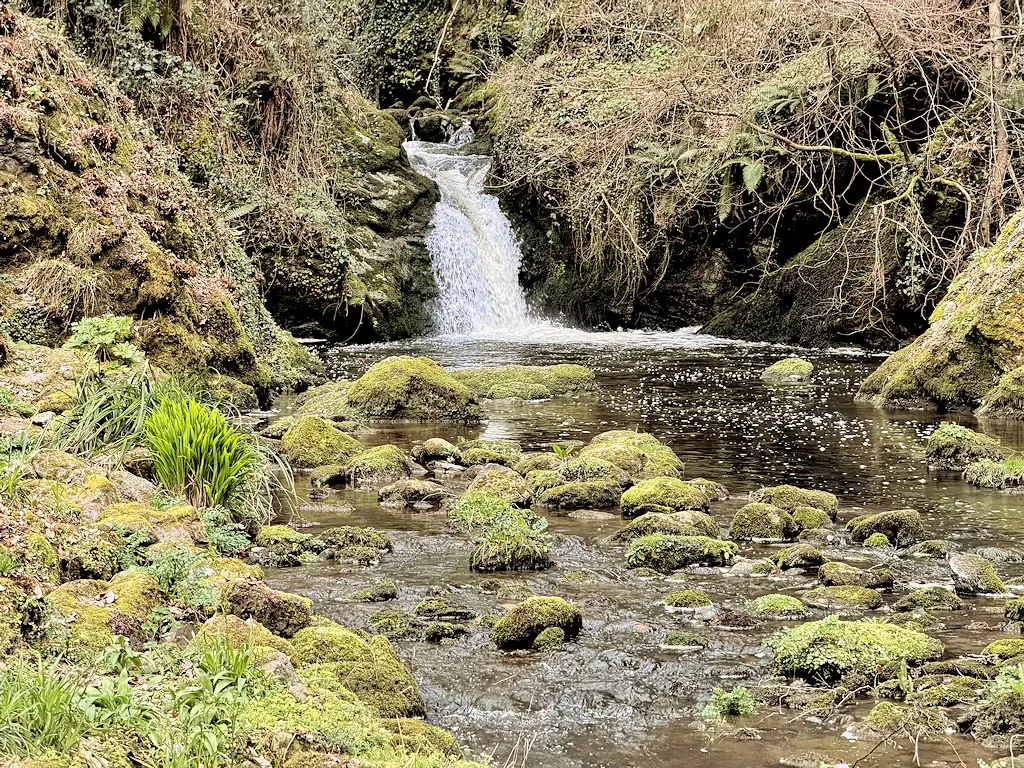
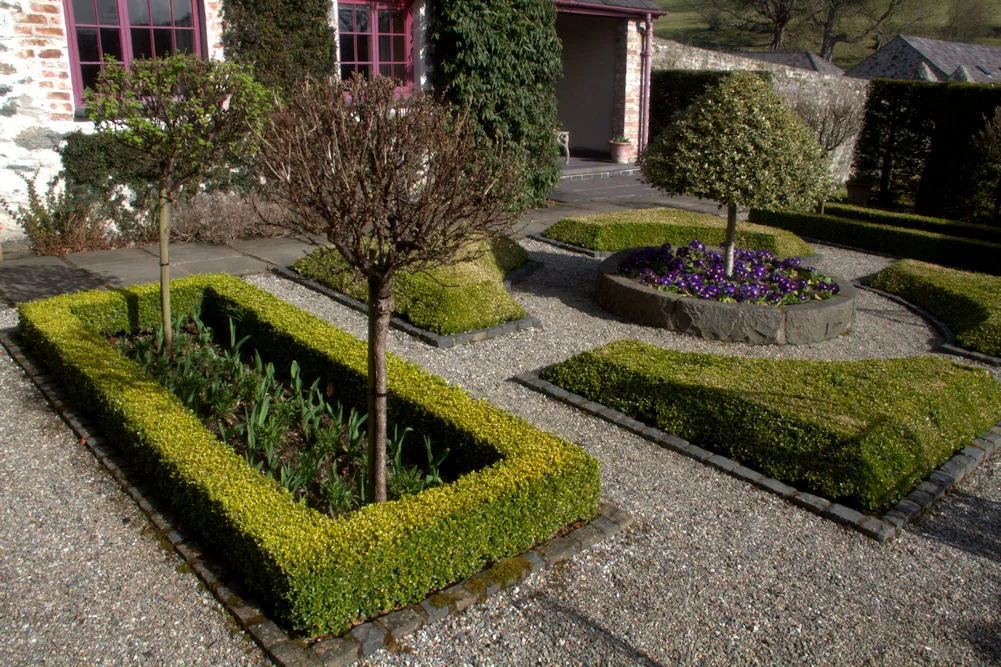
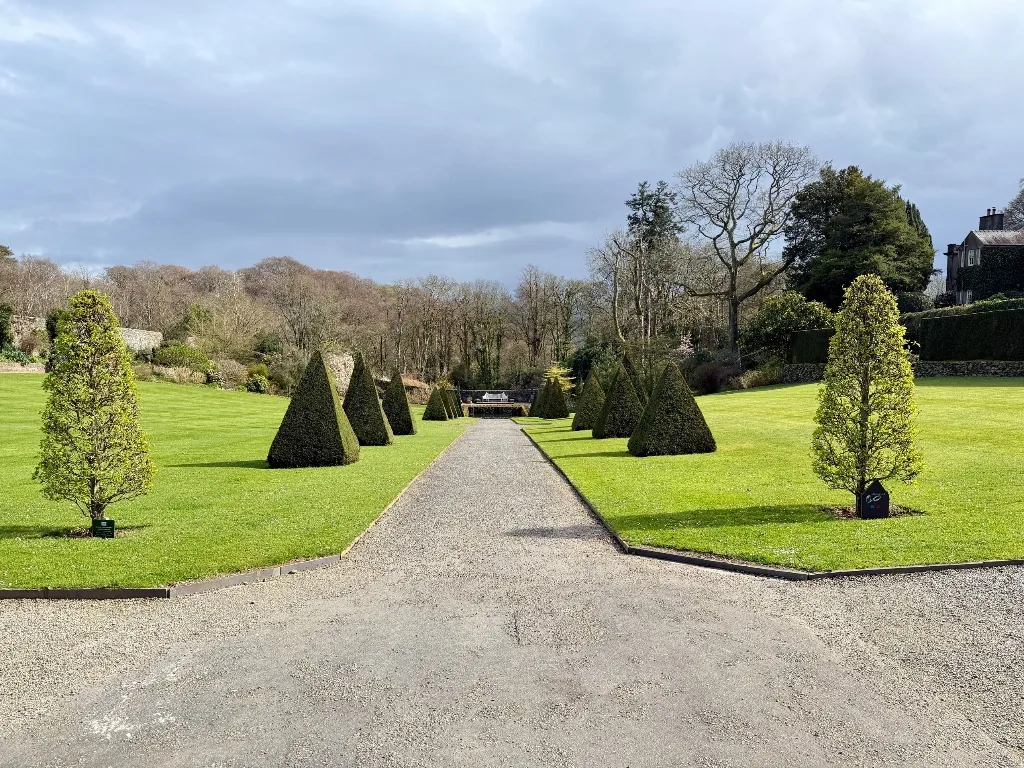
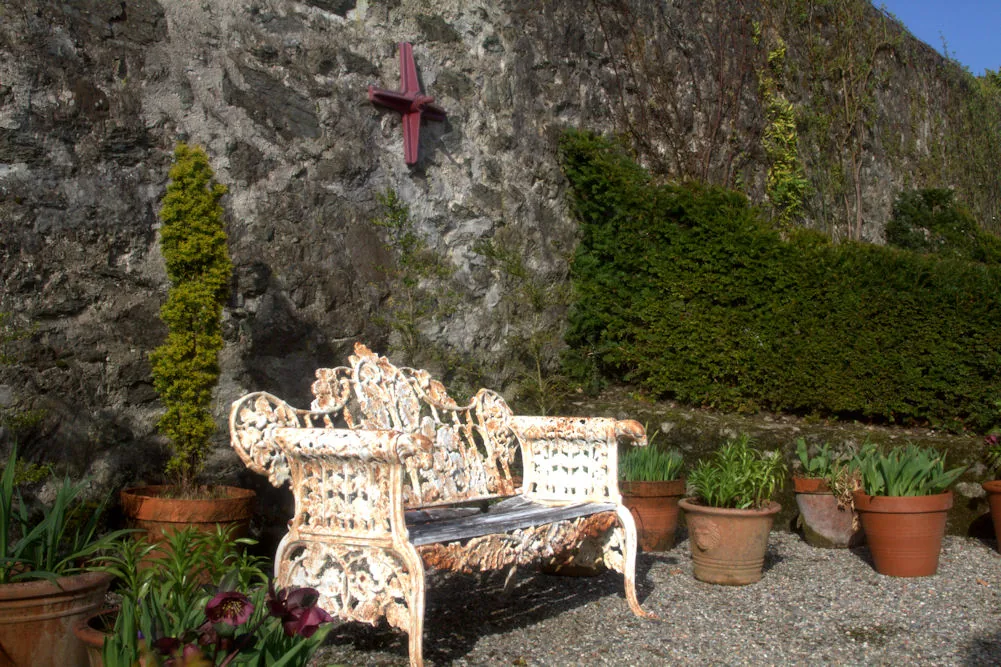
One of the three waterfalls on the River Cadnant, in the valley gardenThe walled garden’s formal beds and bordersClipped topiary pyramids in the hidden gardensA path through the restored gardensThe pool in the walled garden, still enough to mirror the borders
The parts people remember
A garden folded into its own valley, revealed one enclosure at a time.
01
Off the road, into the fold
The turning gives no sign of what it leads to. The ground drops away from the lane, and the garden begins below the level of the road that brought you.
02
Walls that curve
The walled garden refuses to be a rectangle. Its walls bend around a still pool, with clipped pyramids standing along the path and the planting doubled on the water.
03
The valley takes over
Past the wall the ground falls into the wooded valley, and the Cadnant is suddenly the loudest thing here, dropping between mossy rock in a run of falls.
04
A ruin left as found
Higher in the woodland, stone outcrops break through the planting and a small folly stands among them, deliberately unrepaired, still part of the wood.
05
The fold closes again
Climbing out reverses the order: the river fades, the borders return, and the valley closes over behind you as if it were never there.
Ten acres that stay hidden right up until you are standing in them.
The record
What we know, carefully told.
Four field notes on a hidden Anglesey garden: a Georgian estate, a garden lost and re-found, a flood, and the three gardens themselves.
The garden itself is operator-solid. The history rests on published records, and it’s flagged where it does.
Field notes
Four entries. Open one to read the note.
The estate Record
A Georgian house of 1803
Field note I · filed under the estate
The garden belongs to a country estate that grew above the Menai Strait, with a Georgian house at its heart.
What the record says
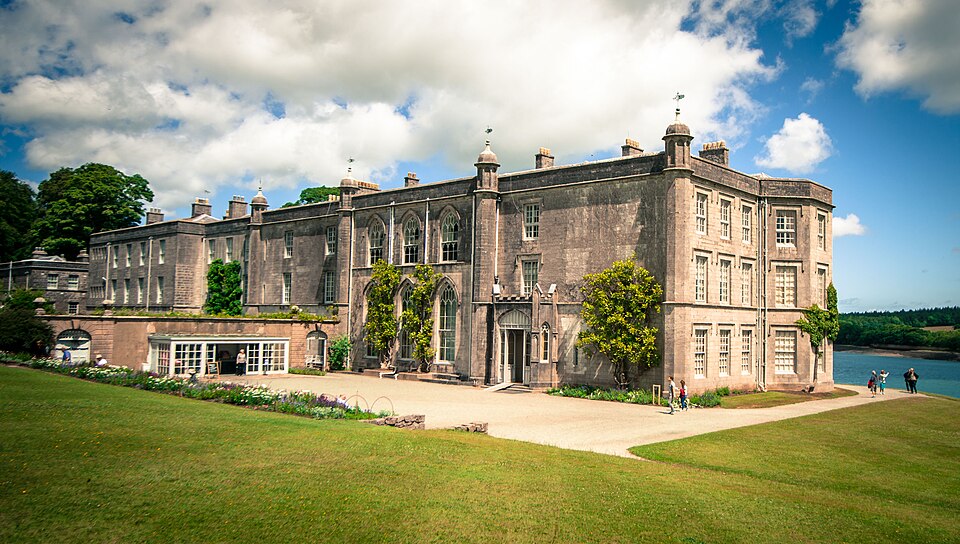
The house is a Georgian residence built in 1803 by John Price, and the estate buildings were listed Grade II by Cadw in 1967. The grounds were laid out as a garden through the 1800s, when Plas Cadnant had grown from farmland into a country estate.
What the record adds
The walled garden served as the estate’s kitchen garden and orchard from 1804, the working heart of a self-sufficient country house.
What to notice there
The curving walls of the kitchen garden are the oldest structure you walk through, older than most of the planting inside them.
The restoration Record
Lost, then dug back out
Field note II · filed under the restoration
For half a century the garden simply disappeared. The reason it is called “hidden” is not just the valley.
What the record says
The garden was left to grow wild from around the 1940s. Restoration began under the present owner in the 1990s, and the gardens opened to the public in 2011, with a tea room.
What the record adds
Uncovering the valley was slow work: decades of bramble and fallen trees pulled back to find the old paths, the pool and the waterfalls again.
What to notice there
The garden still reads as a work in progress in places; part of what you are seeing is a landscape being brought back, not one that was never lost.
The flood Record
The night the wall went
Field note III · filed under the flood
A valley garden lives with its river, which also means it lives with the risk of it.
What the record says
In December 2015 flooding destroyed an original 200-year-old wall and a number of rare plants at Plas Cadnant. Repairs began in January 2016.
What the record adds
Much of what you walk past in the valley is a second restoration, a garden rebuilt not once but twice, after the water came through.
What to notice there
After heavy rain the waterfalls run hard and the river is loud: the same power that shapes the garden, and once nearly unmade it.
The three gardens Fact
Wall, valley, wood
Field note IV · filed under the gardens
Ten acres, but never one flat lawn; the garden falls through three distinct parts.
What the garden holds
A walled garden with curving walls and a pool; a secret valley garden where the River Cadnant drops over three waterfalls; and an upper woodland garden with stone outcrops and the remains of a 19th-century folly. Nearly ten acres in all.
What the record adds
Each part keeps its own character, formal above, wild and wet in the middle, wooded and rocky at the top, so a short visit crosses three different gardens.
What to notice there
Follow the water: the walled garden’s pool, the river and its falls, then the outcrops the woodland grew around.
Don’t let the day end at one pin.
Four stops that turn a hidden garden into an Anglesey day.