No published seasonal guidance · exposed lakeside path
Opening, entry & booking
Open lakeshore, free, no booking · Eryri car parks: check charges on arrival
Access & difficulty
Eryri NPA Foreshore car park, south of Bala off the A494 (or Llangywer)
Parking & start point
On the edge of Bala, in Eryri National Park
Getting there
Bala is the base, on the A494 · Bala Lake Railway in season
Toilets, food & facilities
Toilets reported at the Foreshore car park · Bala is minutes away
Dogs
Welcome · 2m lead 1 Mar–31 Jul near livestock
Plan with confidence.Detailed information on arrival, access, facilities, restrictions and local conditions.
Opening, entry & booking
Open
The lakeshore and the Access for All path are open at all times, free, with no ticket and no booking.
What you pay for
Parking. Eryri National Park runs the car parks on the foreshore (south of Bala, off the A494) and at Llangywer along the western shore.
Charges
Check charges on arrival.
On the water
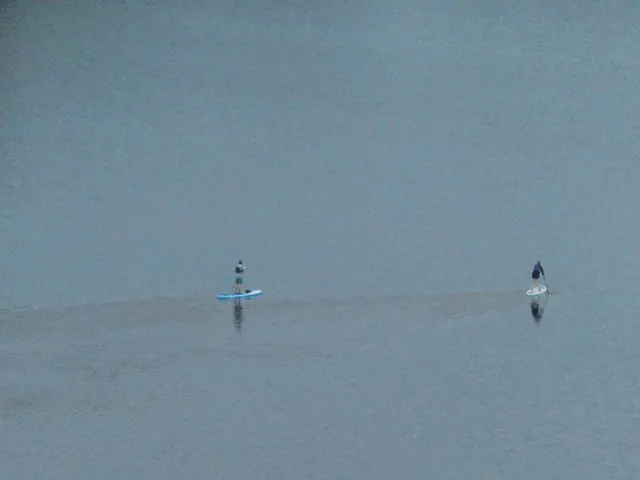
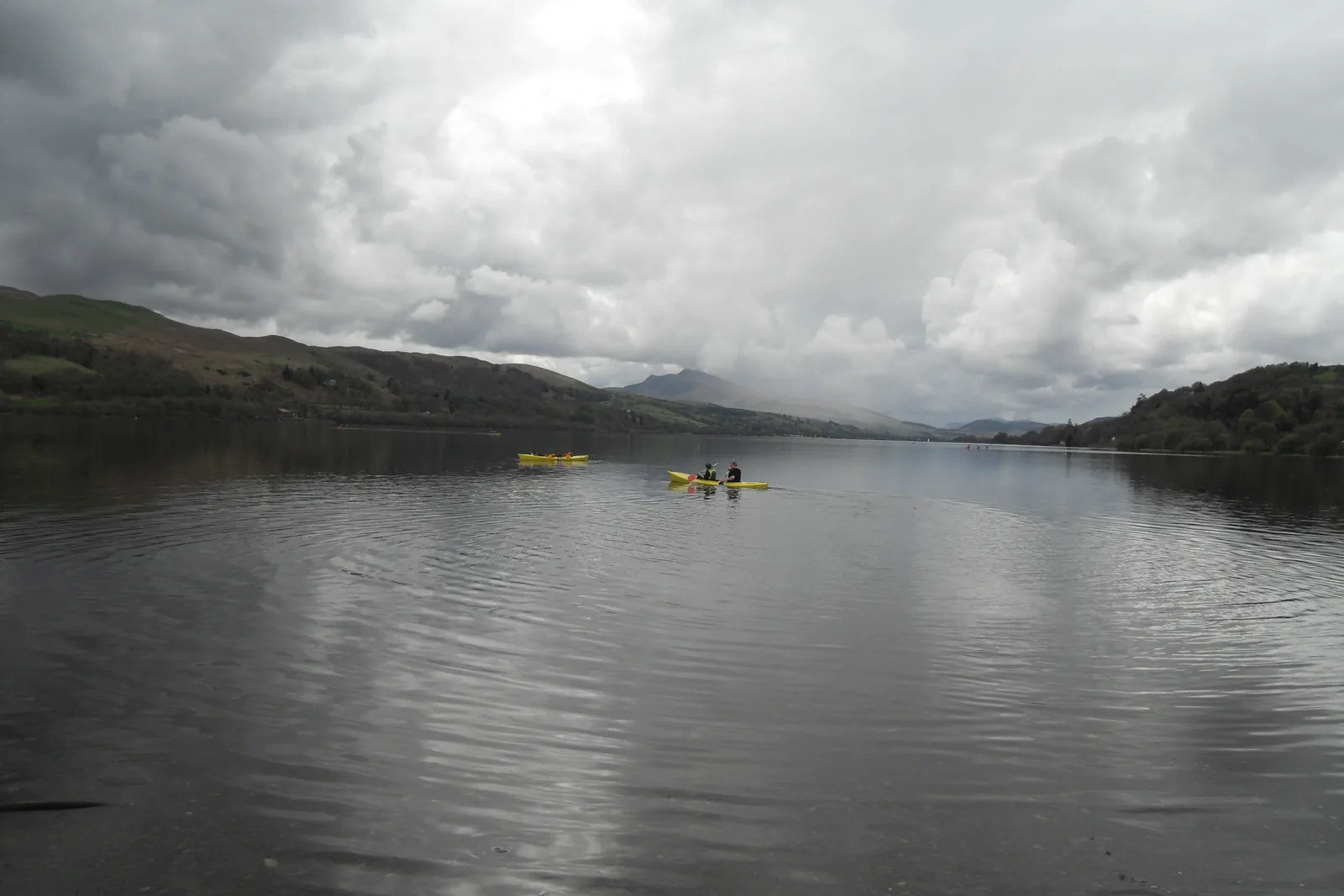
Llyn Tegid is Wales's largest natural lake and is used for sailing, kayaking and open-water swimming; craft launching is managed by the National Park at the Foreshore.
Bala Lake Railway
A separate seasonal narrow-gauge operation along the southern shore, with its own timetable and fares, not connected to lakeshore access.
Parking, start point & arrival
Where
Eryri National Park car parks at the Foreshore (south of Bala, off the A494) and at Llangywer, further along the western shore.
Charges
Check charges on arrival. Watersports permits are sold from the machines in the lakeside car parks.
Rules
No overnight camping or barbecues on the lakeshore or in the car parks.
Public transport & car-free access
Nearest town
Bala sits at the northern end of the lake: the Foreshore car park is a walk from the town centre rather than a drive.
By bus
The TrawsCymru T3 (Barmouth–Wrexham via Dolgellau, Bala and Corwen, run by Lloyds Coaches) calls at Bala. Frequency is not published here. Check the current service before travelling.
By rail
There is no mainline station at Bala. The Bala Lake Railway is a heritage line along the southern shore, not a transport link.
Reported at the Foreshore car park, though the National Park’s own visitor page doesn’t itemise them directly.
Food
Nothing confirmed at the Foreshore itself. The Bala Lake Railway’s Llanuwchllyn station has a café.
Accessibility & terrain
Access for All
The 3.2 km lakeside path is graded Access for All: flat, firm and genuinely suitable for wheelchairs and pushchairs. This is the rare Eryri site where that is true.
Length
About an hour at walking pace, and it is out-and-back rather than a loop. Turn round whenever suits.
Parking
Eryri National Park car park on the foreshore, right beside the path start.
Exposure
The path runs along an open lakeshore with little shelter; wind off the water is the main discomfort.
Toilets
Reported at the Foreshore car park, though the National Park's own visitor page does not itemise them.
Dogs & restrictions
Rule
Welcome. On Open Access Land, dogs must be on a lead of 2m or shorter between 1 March and 31 July, while livestock and ground-nesting birds are around.
Blue-green algal bloom occurs naturally here in hot, still weather. Don’t enter the water if bloom is present or suspected: toxins can be present through the whole lake, not just where scum shows at the shore.
Water
Open, cold, and glacial: swim from the Foreshore, never from a boat out on the lake.
Emergency
In an emergency, call 999.
Swimming
From the Foreshore, no permit needed · not from boats
PLACE-SPECIFIC DETAILS
Watersports permits
Sailing / windsurfing / rowing
Day £5 · week £25 · annual £50
Canoeing / paddleboarding
Day £5 · week £20 · annual £40
Rules
Bought from the pay-and-display machines in the lakeside car parks. Sailing vessels over 19ft (5.8m) and petrol/diesel motorboats are not allowed: electric engines are fine.
Llyn Tegid isn’t just Wales’ largest natural lake: it’s also a managed reservoir. Its embankments protect the town of Bala below it from flooding, and Natural Resources Wales has spent recent years reinforcing them under reservoir-safety legislation, alongside habitat work along the shore.
It’s a Ramsar wetland and Site of Special Scientific Interest, and home to the gwyniad: a whitefish that, as far as anyone has found, exists on no other lake on Earth. Park at the Foreshore and all of it — swimming, watersports, a flat lakeside walk, and the narrow-gauge railway along the southern shore — starts from the same spot.
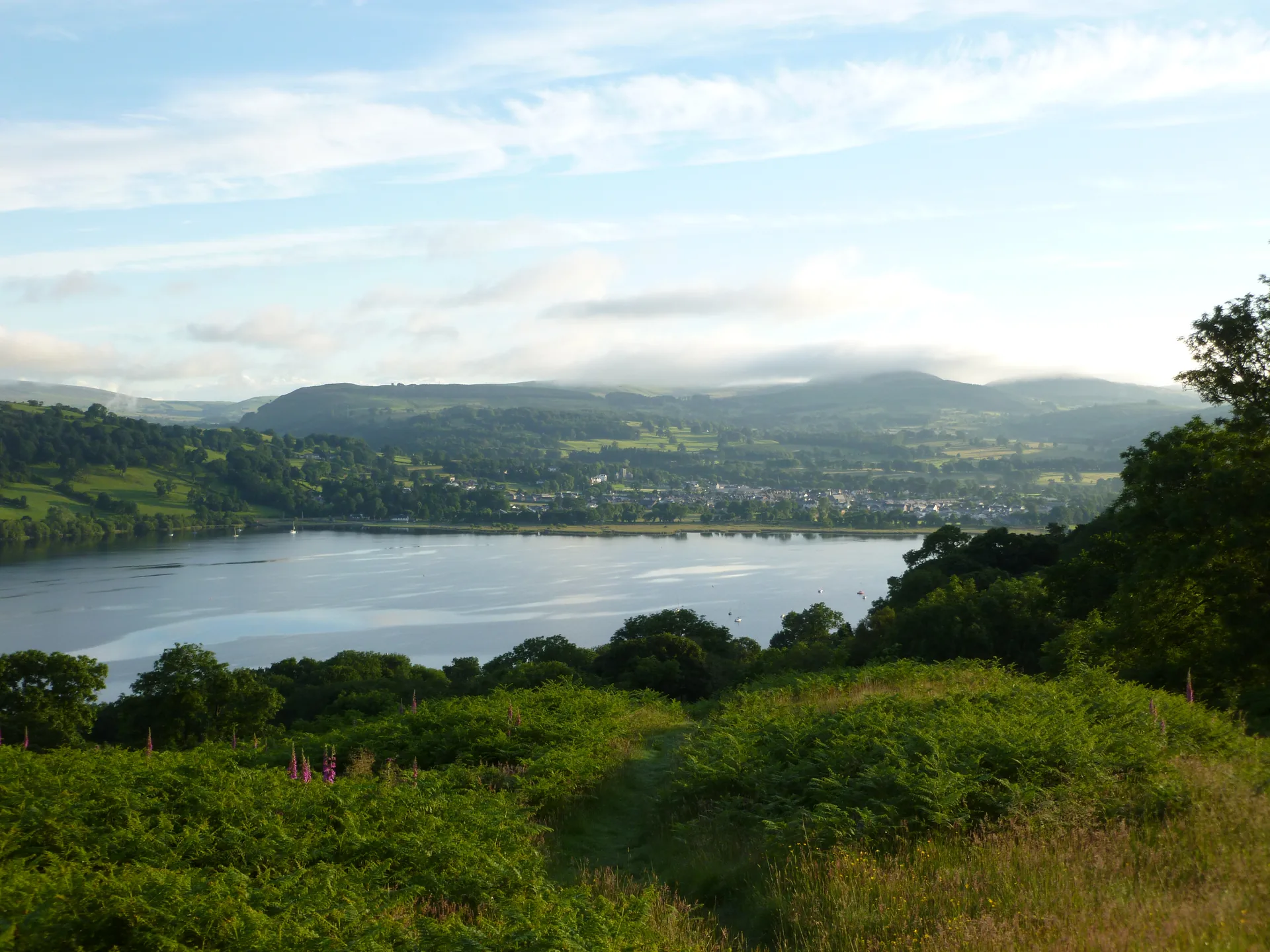
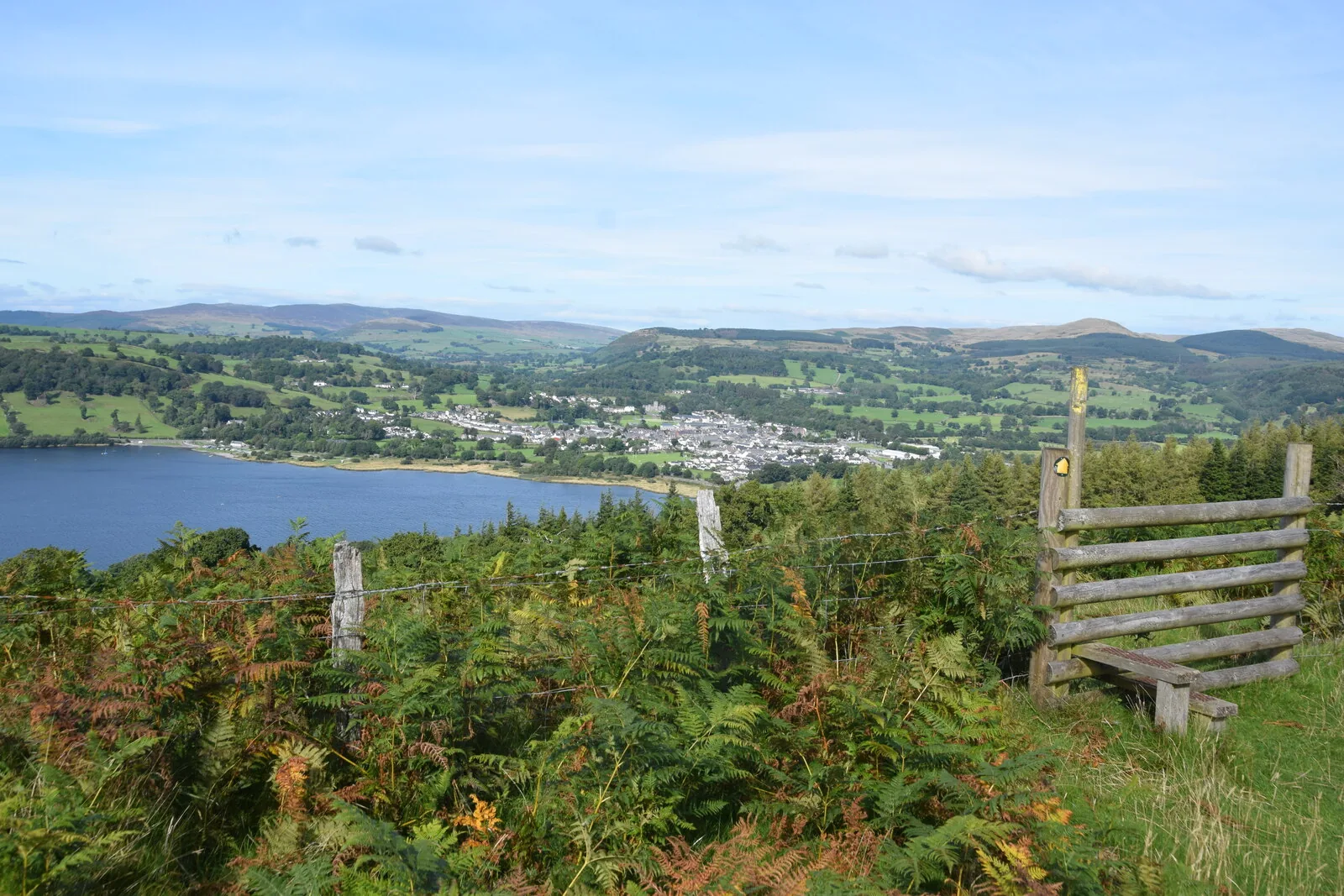
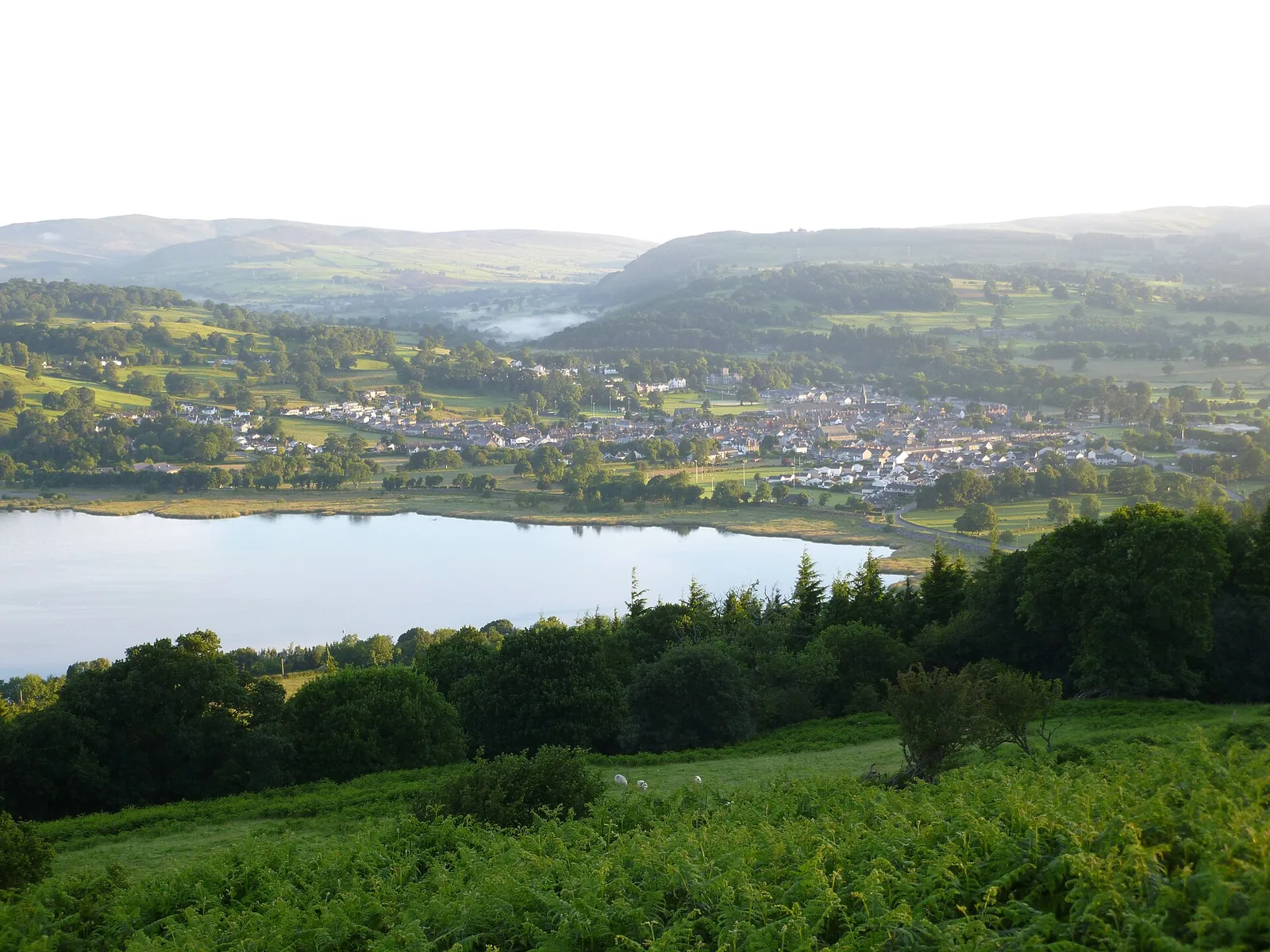
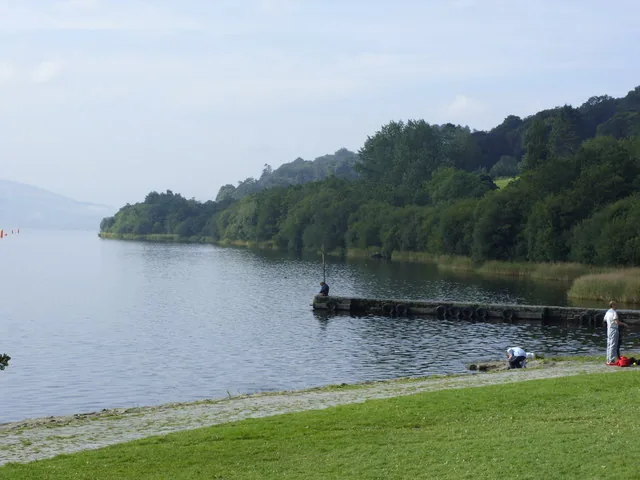
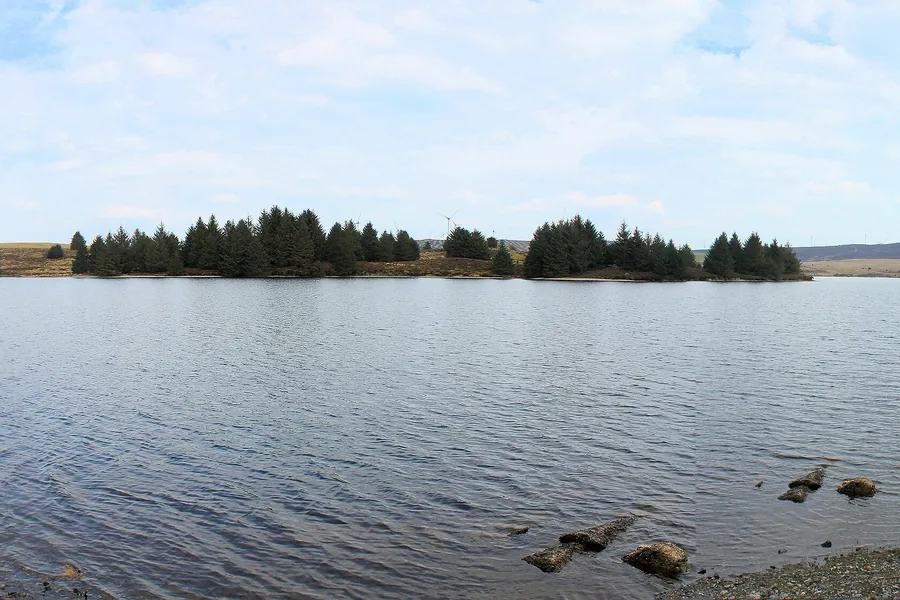
The lake within its Eryri valley, Bala on the shore.
Should this shape your day?
One car park, several ways to spend an afternoon, but check the algae notice before you swim.
Good fit for
watersports visitors with (or willing to buy) a permit
families wanting a flat, easy, official lakeside walk
open-water swimmers comfortable with cold, glacial water
heritage-railway visitors wanting a scenic ride
Think twice if
you want a lifeguarded, sandy-beach-style swim
you need step-free access beyond the one graded path
you’re relying on a lakeside café: none is confirmed at the Foreshore
hot, still weather has brought algae warnings that day
Access reality
two Eryri National Park car parks reach the lake
the only graded, official walk starts at the Foreshore
Check for blue-green algae notices before swimming, especially in hot, still weather: the toxins can be present through the water even where scum only shows at the shore.
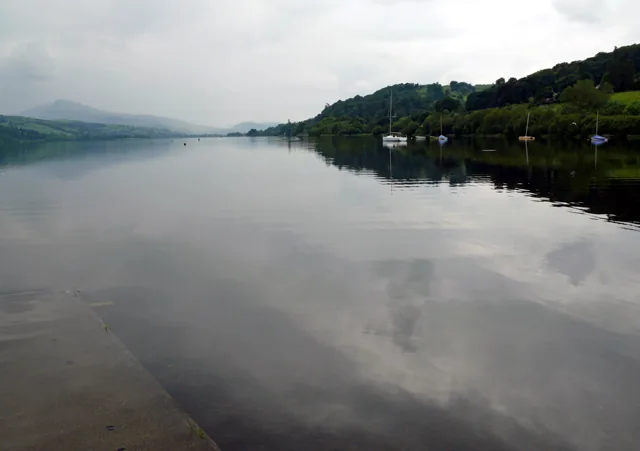
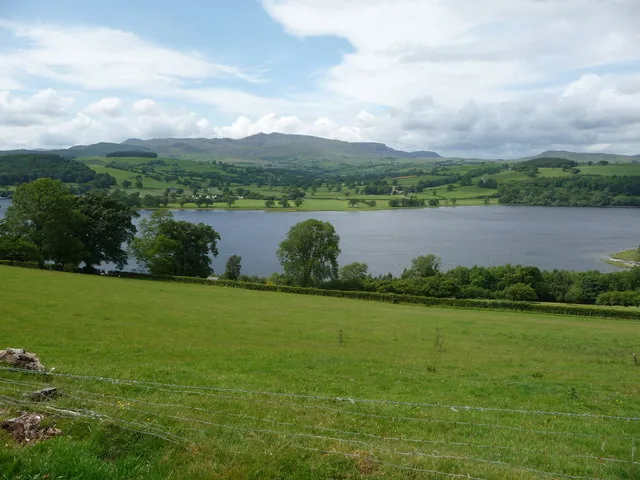
Still water, most afternoons: Llyn Tegid within its Eryri valley.
One car park, seven scenes.
See the shape of the visit before you make it.
01 Arrive
The A494 into the Foreshore car park, south of Bala.
02 Orient
Permit machines, Lake Wardens, and the water right in front of you.
03 Choose
Swim, buy a watersports permit, or start the graded walk.
04 The walk
A flat 3.2km loop out along the shore, the Dyfrdwy, and into Bala.
05 The water
Open, cold, glacial swimming or paddling: permit displayed, algae checked.
06 Beyond the Foreshore
The Bala Lake Railway, tracing the southern shore on the old main line’s trackbed, closed since 1965.
07 The ride itself
Mountains across the water from the train: herons and buzzards near the track.
Seen along the way.
The visit before you make it.
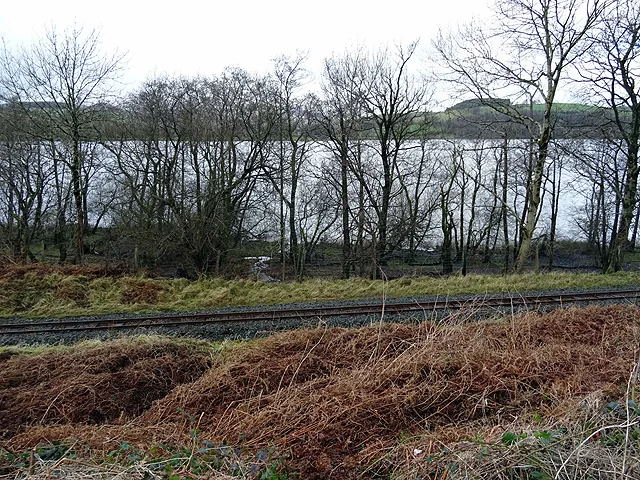
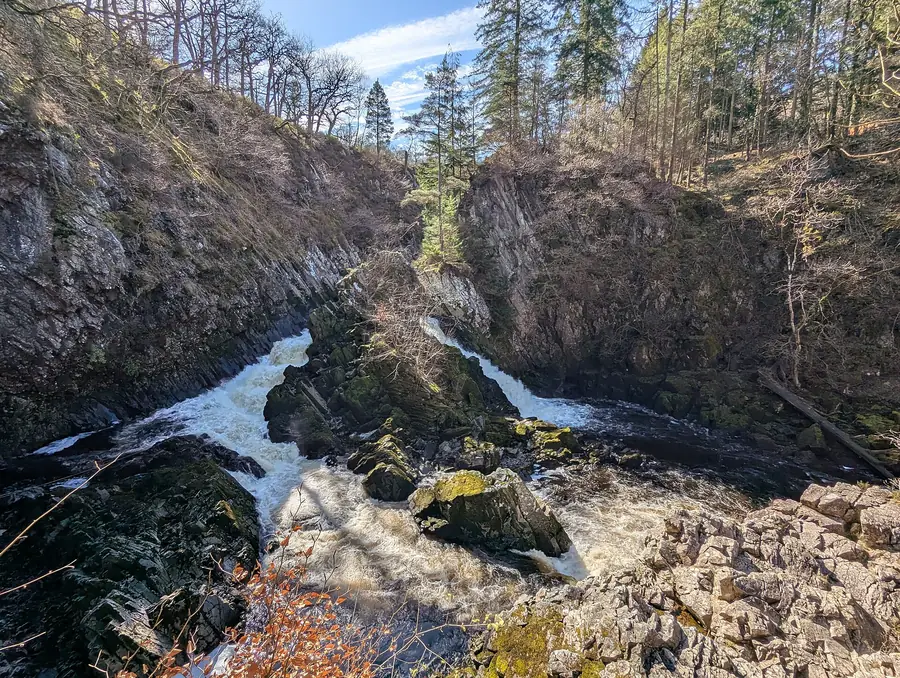
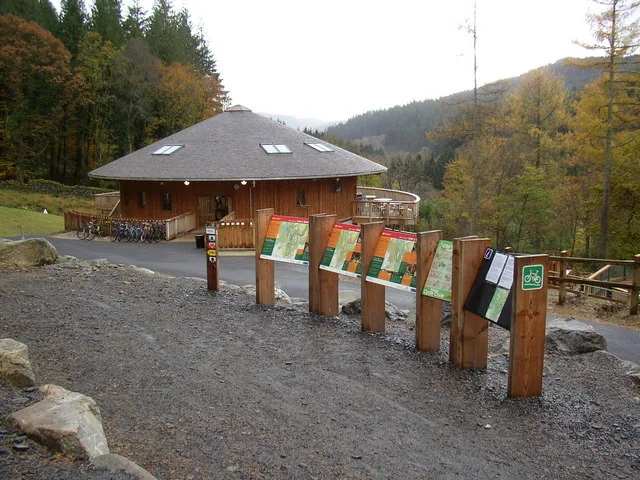
The Foreshore access pointSailing and paddling on open waterA lakeside path near BalaThe Bala Lake RailwayBala town from the walkThe wider Eryri hills backdropThe pier at BalaKayaking on the lake
The parts people remember
A lake that starts at the car park and keeps going further than expected.
01
Water, immediately
There is no walk in. The Foreshore car park sits on the shore itself, so the water is alongside you before you have finished parking.
02
The full length of it
From the shore the water runs away between the hills with the town at the near end: long enough that the far shore reads as distance rather than detail.
03
Flat going, all the way
The shore path stays level the whole circuit, through stiles and lakeside grass, with the water alongside and never more than a few paces away.
04
A line along the far shore
Across the water a narrow-gauge railway traces the southern shore almost at lake level, its trains small against the hillside behind them.
05
Still not the whole lake
Back at the Foreshore the far end remains out of sight, and the loop turns out to have taken in only the near shoulder of the water.
Big enough that an afternoon only gets you one end of it.
Llyn Tegid Archive
A lake with more than one job.
Three field notes: a fish, an engineer, and a drowned court.
Two notes are documented, corroborated by more than one source. The drowned-court note is legend, and the page says so rather than presenting it as settled fact.
Field notes
Three entries. Open one to read the note.
Natural history Two sources agree
A fish found nowhere else
Field note I · filed under natural history
Llyn Tegid is a Ramsar wetland and Site of Special Scientific Interest, and the only place in Wales where a particular whitefish still survives.
What is known
The gwyniad (Coregonus lavaretus) is a whitefish unique to this lake, listed by the IUCN as at risk from the invasive, non-native ruffe. The lake also holds the rare glutinous snail, and is designated a Ramsar wetland of international importance and a Site of Special Scientific Interest.
What to notice there
None of this is visible from the shore: the gwyniad lives in the deep, open water, not the shallows. The lake’s conservation status is part of why the Foreshore has been carefully re-landscaped rather than simply resurfaced.
Sourcing
Corroborated by two independent secondary sources (Wikipedia and Visit Bala); the underlying JNCC/NRW Ramsar citation exists but could not be read as text this session, so no exact designation date or hectare figure is stated here.
Engineering history Official source
Telford’s canal, and a modern reservoir
Field note II · filed under engineering history
This natural lake has been shaped by engineers twice: once for a canal 200 miles away, and once for the safety of the town on its own shore.
What is known
Thomas Telford raised the lake’s level to help supply the Ellesmere (later Llangollen) Canal; sluice gates were installed around 1840 and replaced in the 1950s. Today the lake is managed as a reservoir under the Reservoirs Act 1975, because its embankments protect Bala from flooding.
What to notice there
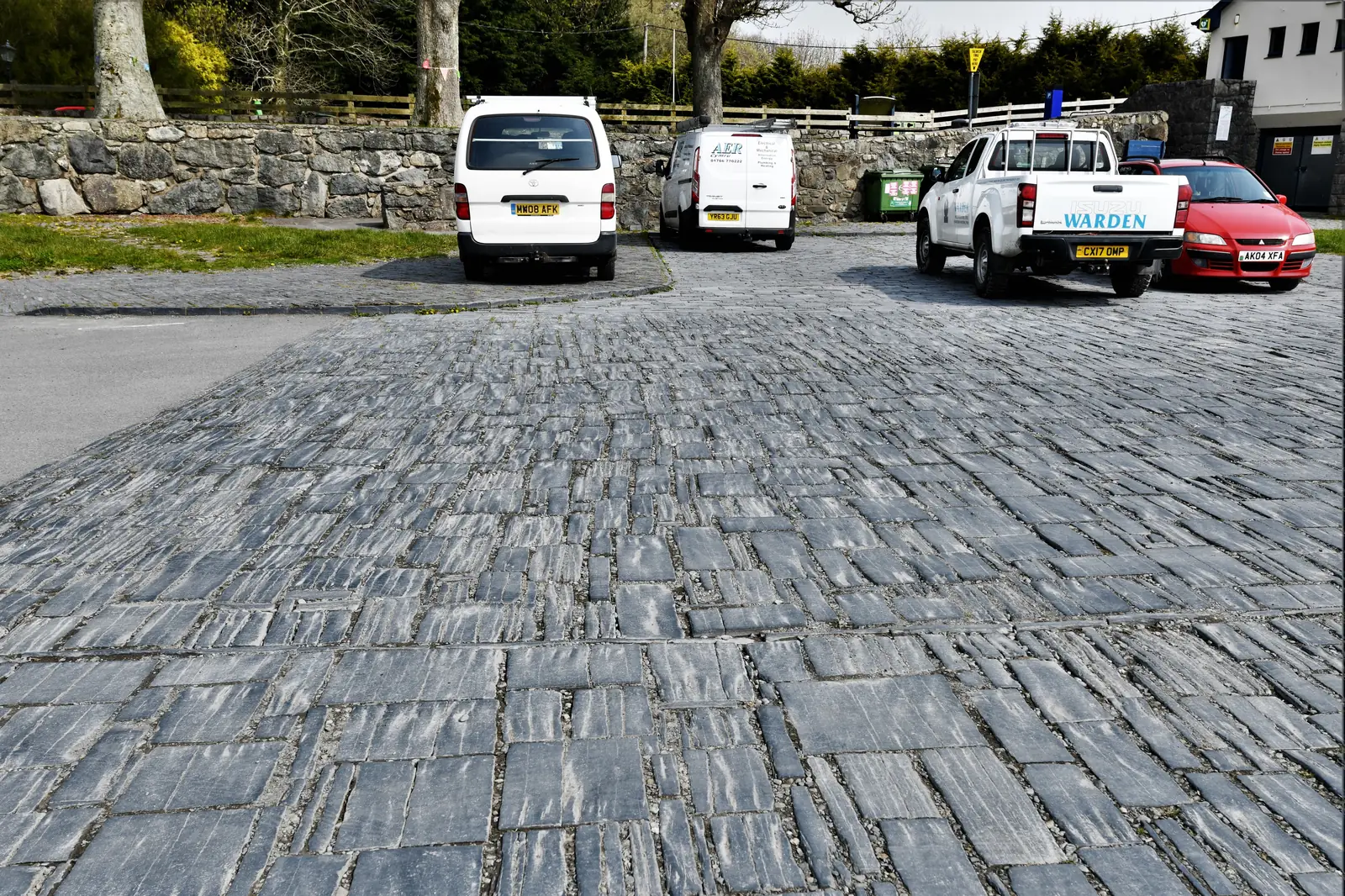
Natural Resources Wales completed a major safety programme by spring 2023: strengthened embankments, replaced shore rock protection, and a redesigned Foreshore car park with new habitat planting.
Sourcing
The reservoir/safety history is Tier 1: Natural Resources Wales’ own project pages. The Telford/canal detail is a single Tier 2 source (Wikipedia), plausible and uncontradicted.
Legend & folklore Folklore
The court beneath the water
Field note III · filed under legend, not history
Wales’ biggest lake carries one of its oldest drowning legends: and, since the 1920s, a lake creature of its own.
The legend
Local legend holds that Tegid Foel’s entire court was drowned beneath the lake in a single night; a variant tells of an unsecured spring bursting and drowning a nearby town instead.
“Teggie”
Since the 1920s, occasional reports describe a creature nicknamed “Teggie”, including a 1979 report of “a large hump-backed beast”. No evidence has ever been found.
Sourcing
Single Tier 2 source (Wikipedia), explicitly presented as legend in the source itself. Never claimed here as documented history.
Continue on the map.
The first Atlas of Wales guide for Bala and Llyn Tegid: more of Gwynedd is on the way.